Black mass explained: what it is, what it is worth, and why buyers care
Learn what black mass contains, how buyers assess its quality and value, and how this lithium-ion recycling concentrate returns to battery production.
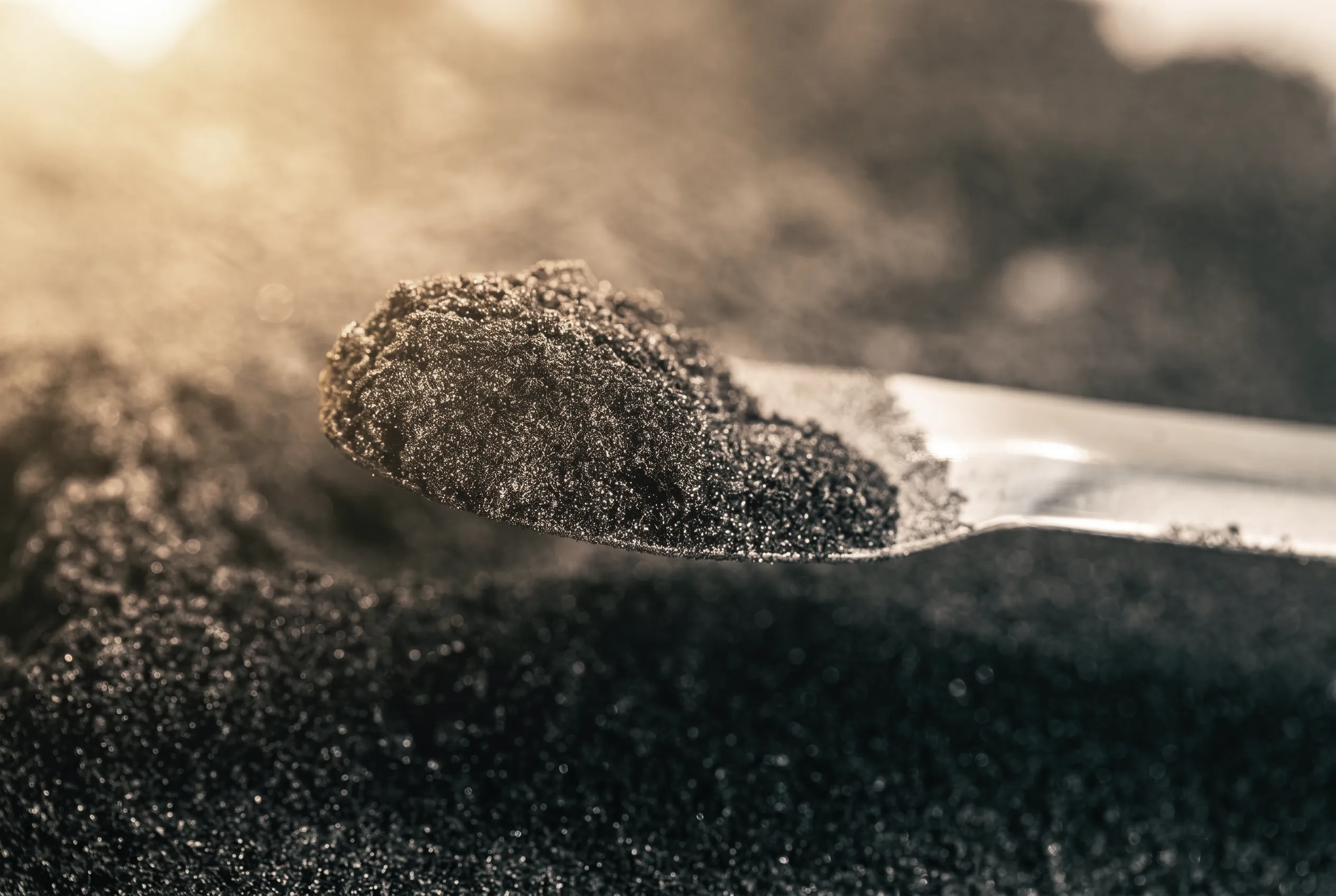
Black mass is the dark, powdery concentrate left after lithium-ion cells are discharged, shredded and mechanically separated from their casings and current collectors. It is the most valuable intermediate in battery recycling, and the most misunderstood.
Two shipments described in exactly the same words can differ in value by a wide margin. The reason is composition.
What black mass actually contains
Depending on the cell chemistry it came from, black mass carries lithium, nickel, cobalt and manganese from the cathode, graphite from the anode, plus leftover copper and aluminium from the foils and traces of electrolyte and binder.
Material from NMC cells is rich in nickel and cobalt, so it commands the highest price. Material from LFP cells contains no nickel or cobalt at all, and its value sits in lithium, graphite and iron phosphate, which needs a completely different processing route. Mixing the two destroys value in both.
How quality is judged
Buyers look at four things: metal grade, moisture content, contamination by foils and casing fragments, and consistency between batches. High copper or aluminium content raises purification cost downstream and is discounted accordingly.
Consistency matters more than most suppliers expect. A refiner can design around a known assay. It cannot design around a stream whose composition changes with every load.
From concentrate back to battery-grade product
Hydrometallurgical refining leaches the concentrate into solution, removes iron, copper and aluminium impurities, then recovers each valuable element by solvent extraction and precipitation.
The outputs are ordinary industrial products with ordinary specifications: nickel sulphate, cobalt sulphate, manganese sulphate, lithium carbonate and graphite. Several can be combined into pCAM, the precursor cathode active material that cell makers buy directly, which shortens the loop back into new cells.
To be clear about our own role: we produce and supply black mass rather than refining it. Our discharging and breaking line makes the concentrate, and refining it in-house is a planned next phase.
Why regulation is pushing this forward
The EU Battery Regulation sets recycled-content thresholds for lithium, nickel and cobalt in new batteries, along with recovery efficiency targets for recyclers. Recycled material is moving from a cost-saving story to a supply requirement.
For anyone holding retired packs the implication is simple. Well-sorted feedstock with a known assay will keep getting easier to place, and mixed material harder.
Scoping a take-back programme for retired batteries or solar panels? Our team can map volumes, chemistry and compliance requirements with you.
Partner with MelMetal →