Lithium-ion and EV battery recycling
Lithium-ion and EV battery recycling
Our lithium-ion line is planned to launch in late 2026. It is designed for EV battery packs, batteries from solar plants and other energy storage systems, and batteries from appliances. If you will hold lithium-ion batteries, talk to us now about intake.
Planned launch of our lithium-ion line.
✦Launch status
The lithium-ion line is planned to launch in late 2026. Until then we can discuss your battery types, quantities, timing and packaging, so that intake can start smoothly.
What the line will accept
EV battery packs
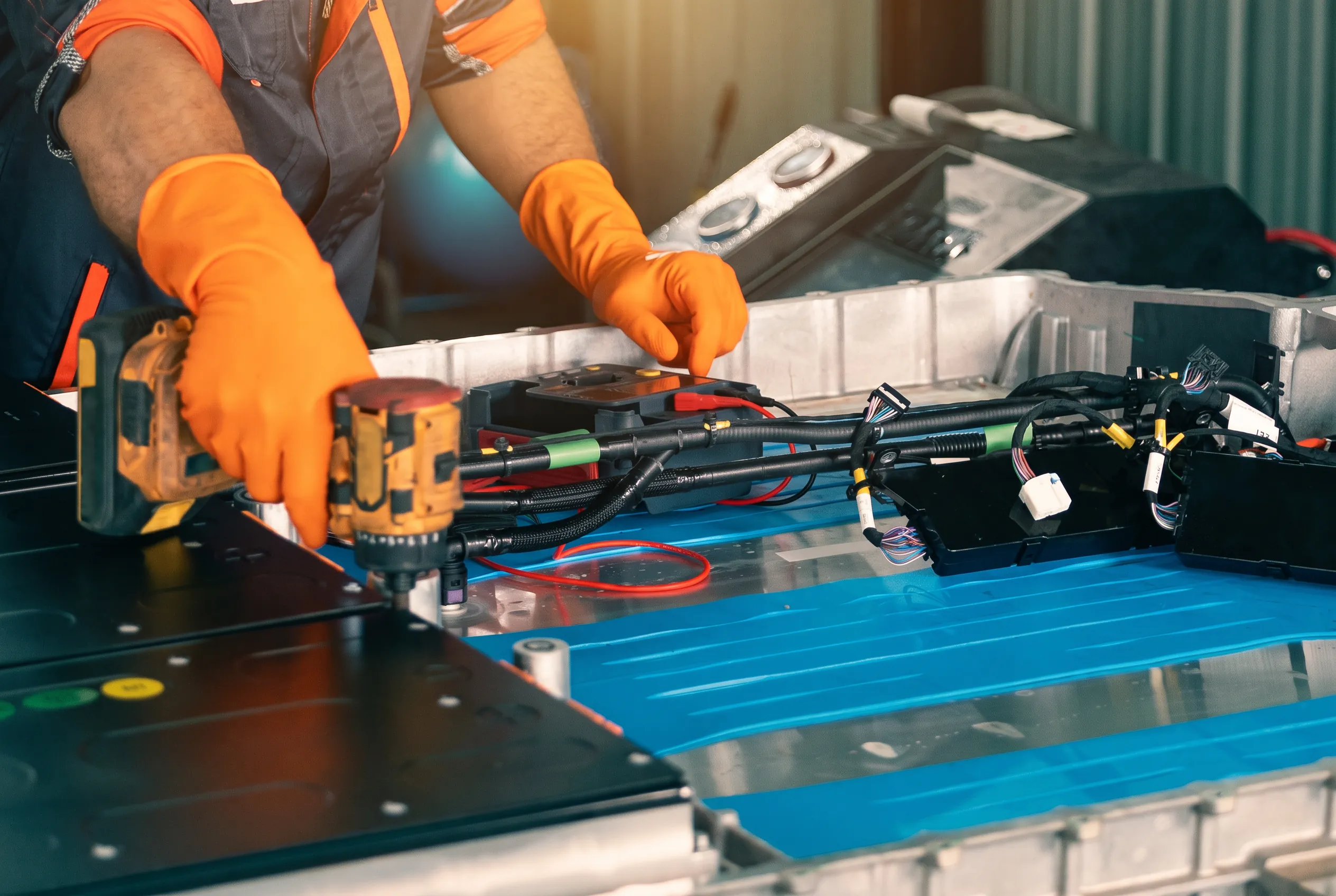
Packs from electric and hybrid vehicles, discharged while still assembled and then dismantled.
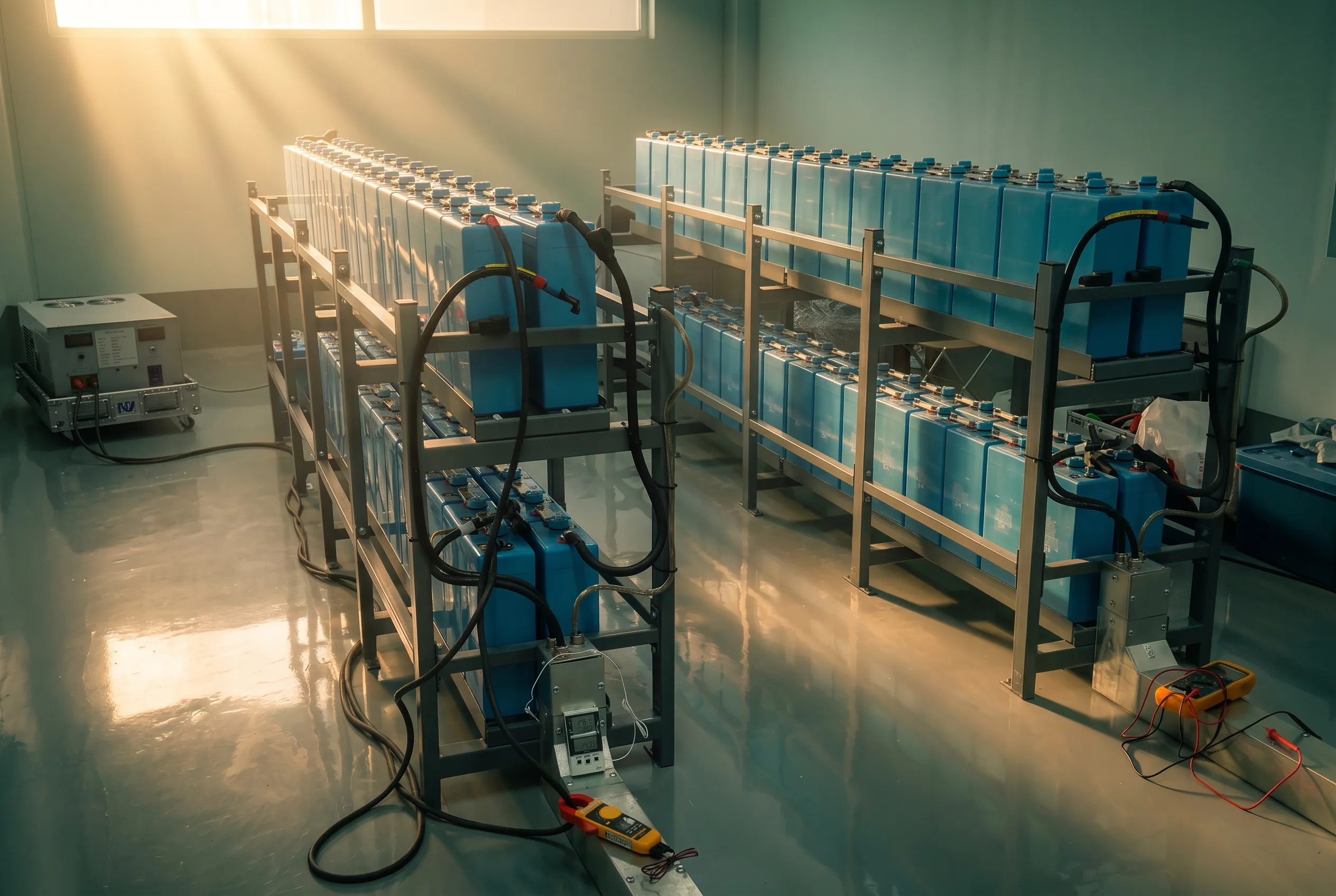
Solar plant and energy storage batteries
Battery modules from solar plants and other stationary storage systems.
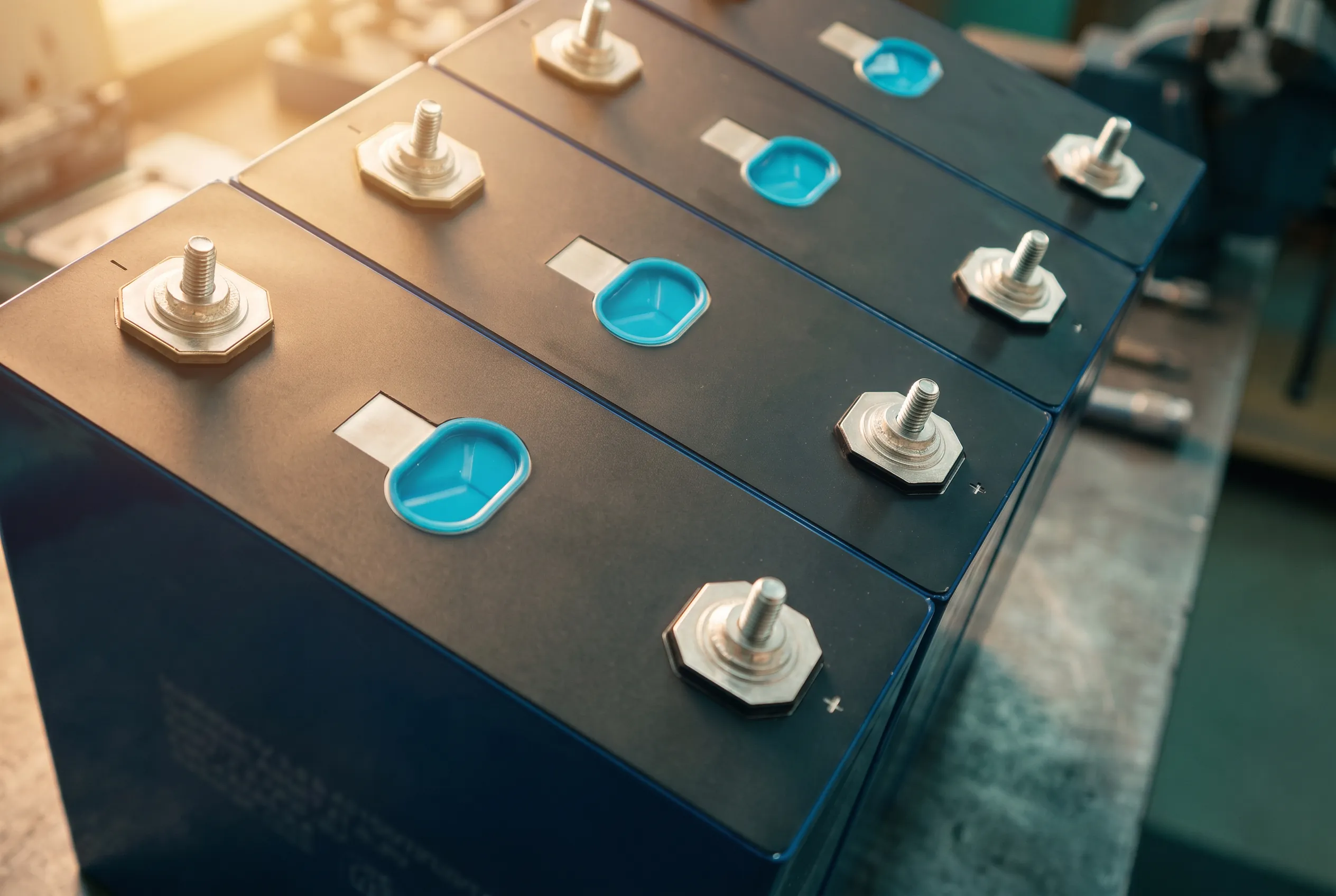
Appliance batteries and cells
Cylindrical, prismatic and pouch cells from appliances and devices, and production scrap.
Damaged and swollen batteries
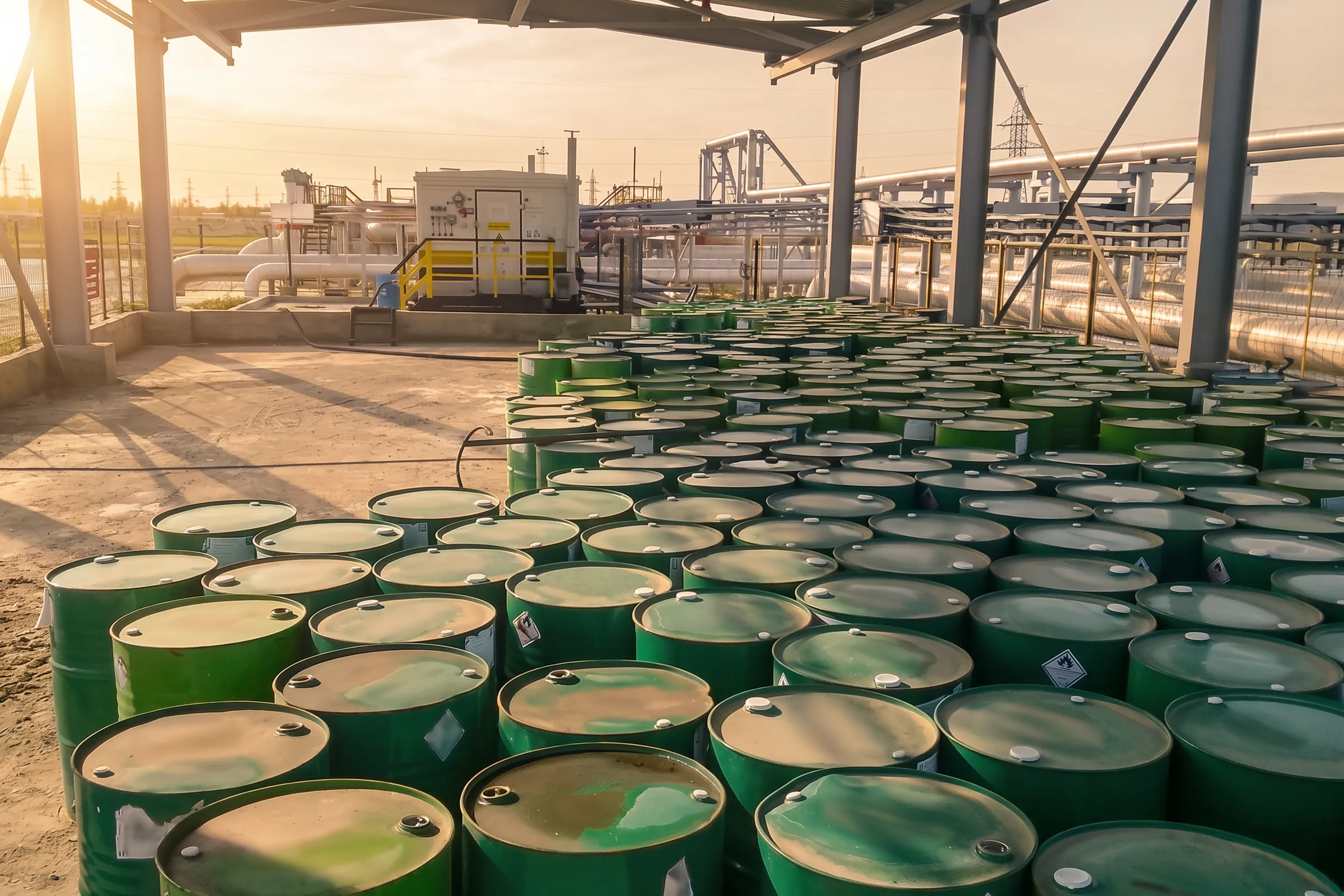
Damaged, swollen or leaking lithium batteries are accepted by prior arrangement only. Contact us before shipping, describe their condition, and we will agree packaging and transport with you. At the plant, damaged cells are kept in secondary containment.
How the process will work
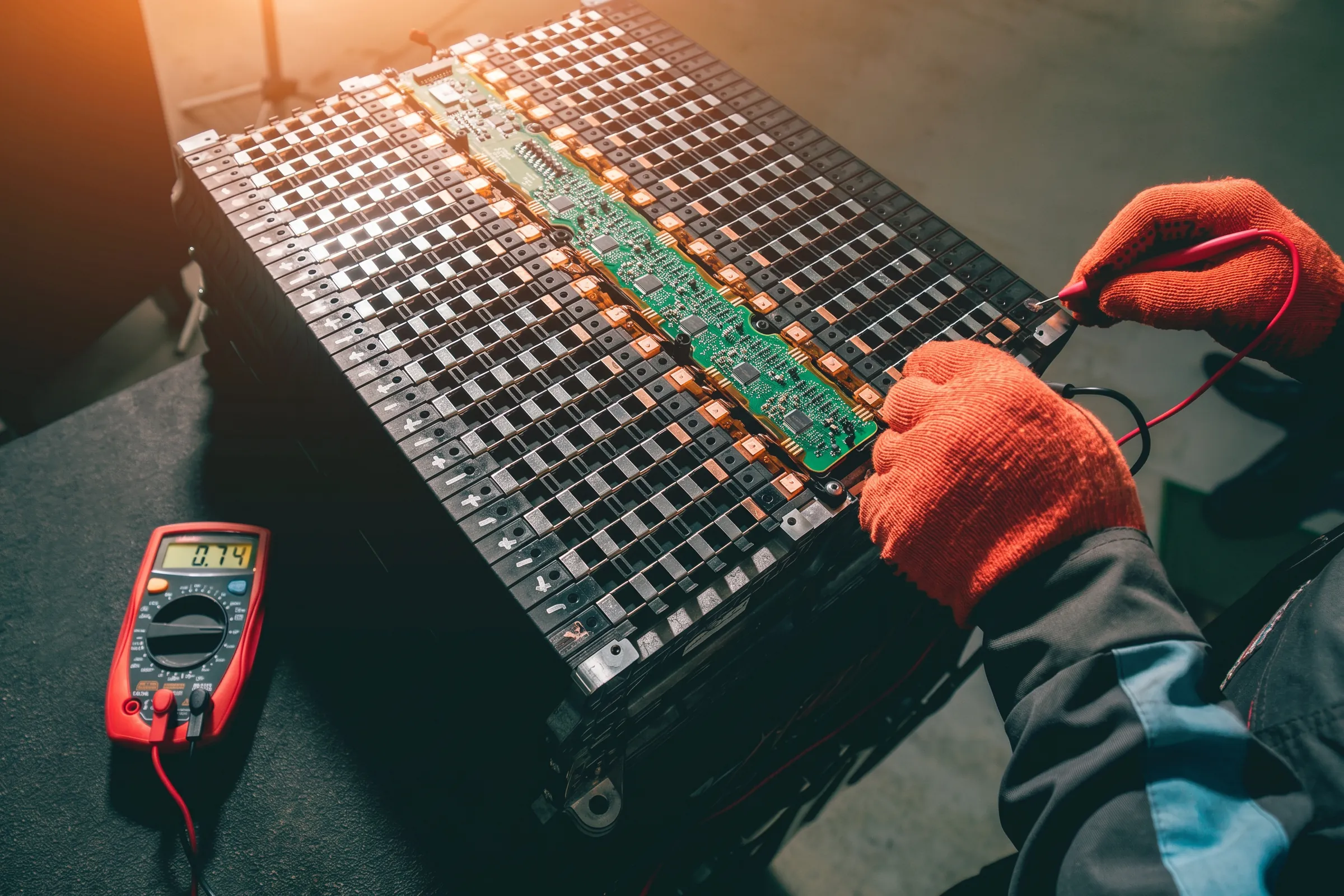
EV packs are discharged while still assembled. Smaller cells are discharged in a chemical bath, then air-dried and held in safe storage before breaking.
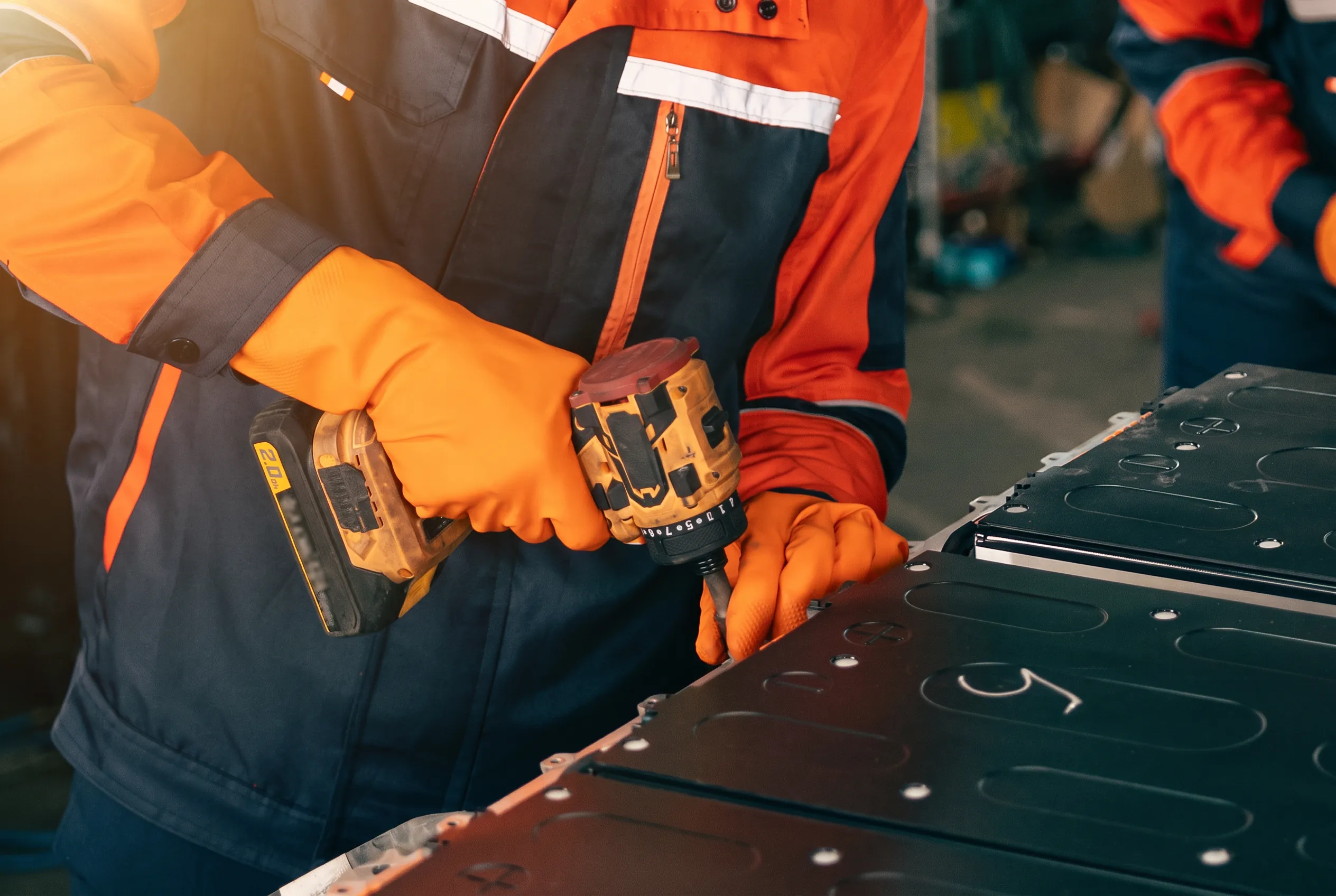
Packs are opened so that housings, cooling parts, wiring and battery management hardware come out and the cells are freed.
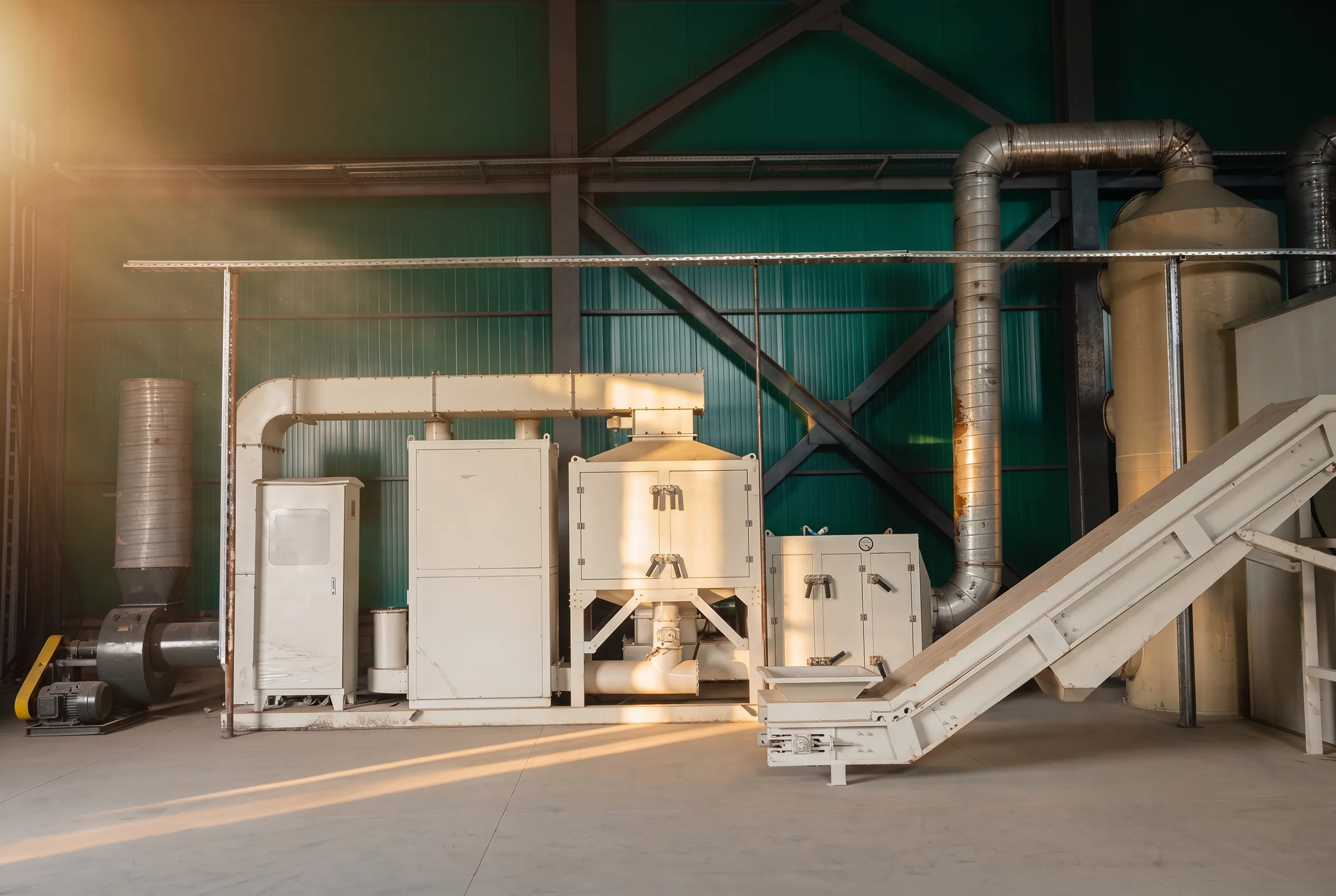
Discharged, dry cells are shredded.
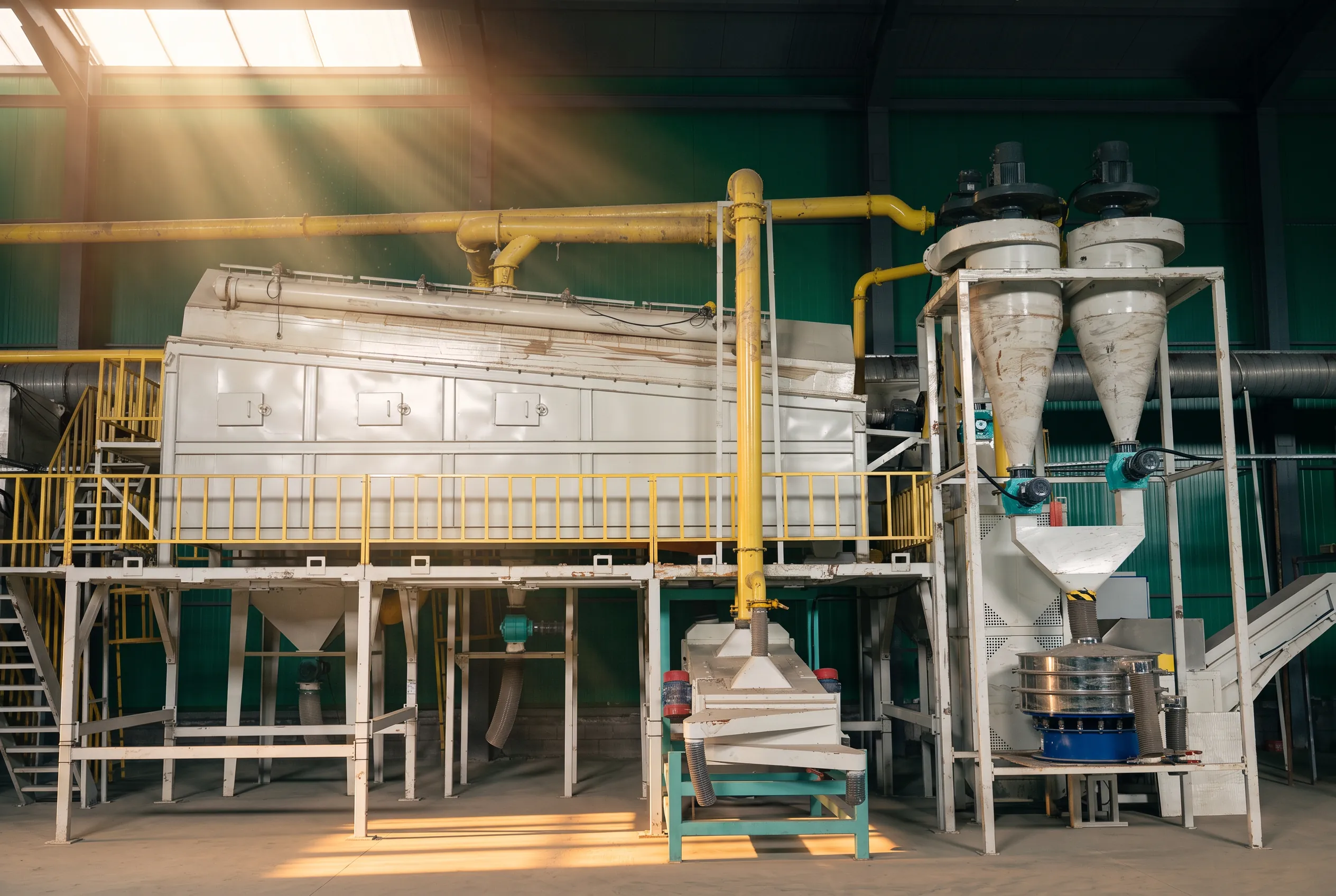
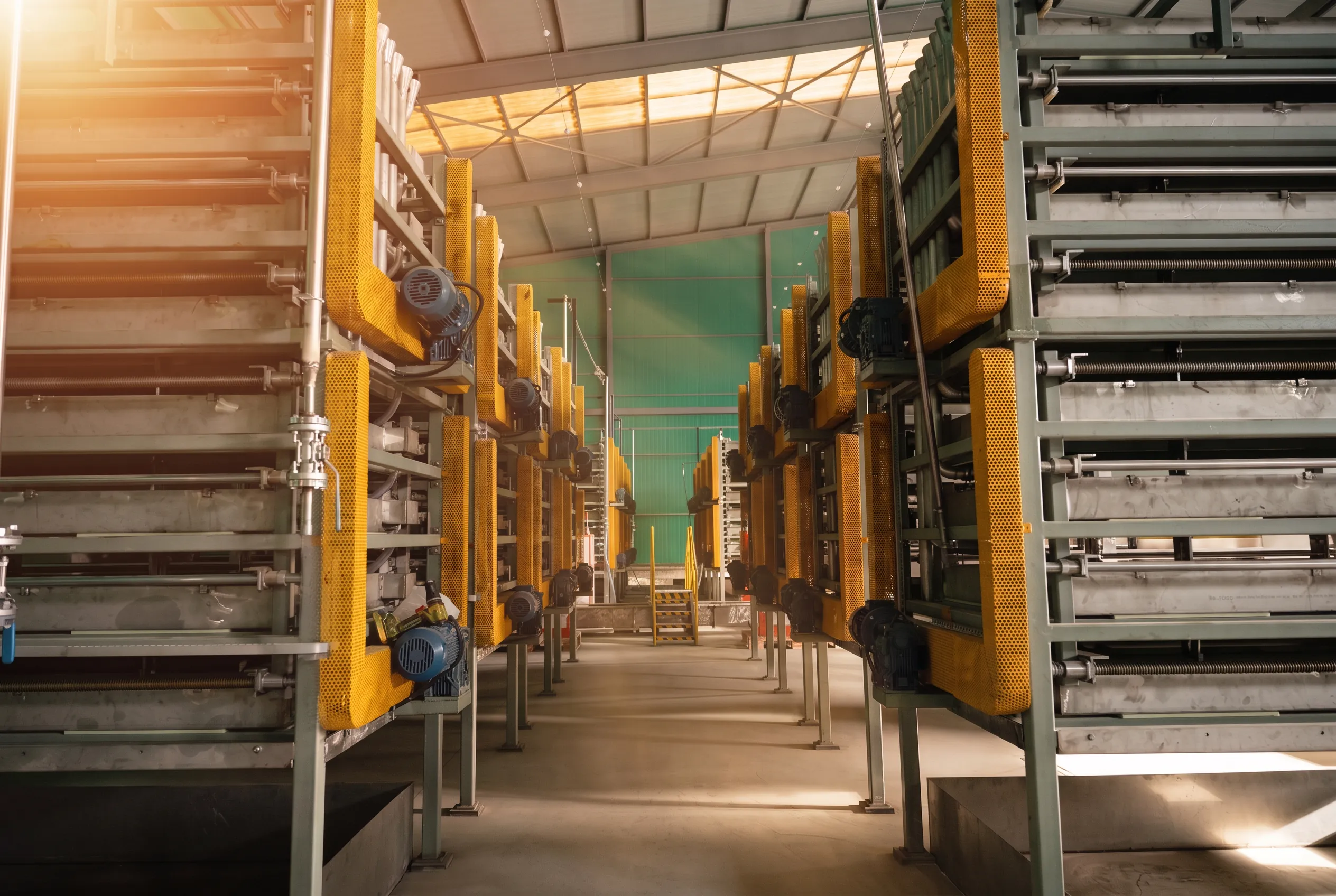
Air classification, magnetic separation, screening, crushing and gravity separation split the material into separate fractions.
Outputs
- Black mass: the active material concentrate, containing lithium, nickel, cobalt, manganese and graphite depending on the chemistry
- Copper from foils and wiring
- Aluminium from foils and casings
- Steel from casings and structural parts
- Plastics and separator film

Next phase: refining
Refining black mass into battery-grade products, such as lithium carbonate and nickel and cobalt salts, is planned as a later phase. It is not part of the line planned for late 2026.
Packaging and transport
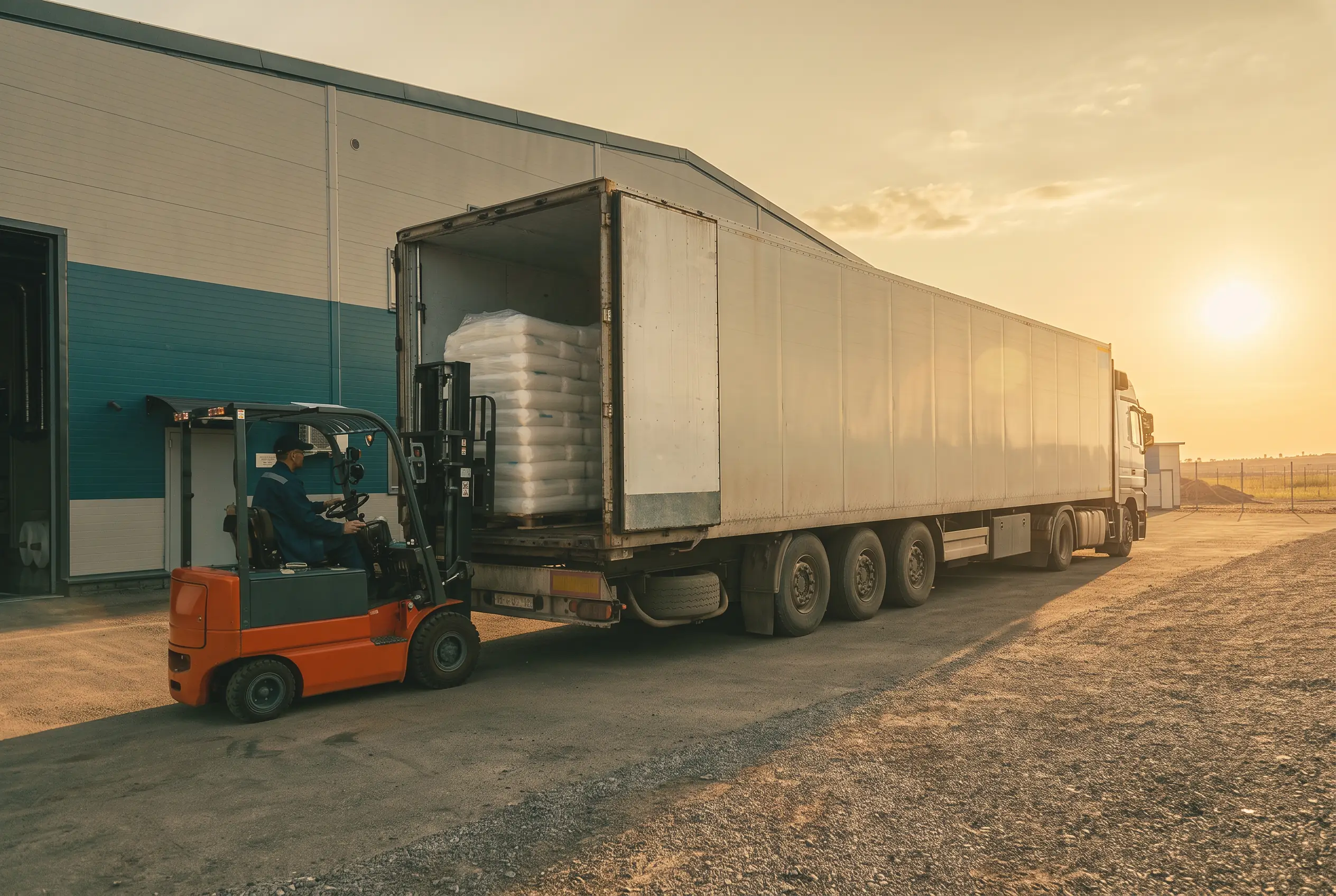
Lithium-ion batteries are dangerous goods in transport. Cells and batteries shipped on their own travel as UN 3480, and batteries packed with or contained in equipment as UN 3481. We agree packaging, labelling and transport with you before any shipment.
Frequently asked questions
Next step
Plan your lithium-ion battery hand-over
Tell us what you hold, how many and where, and we will plan intake for when the line opens.