Lead-acid battery recycling
Lead-acid battery recycling without smelting
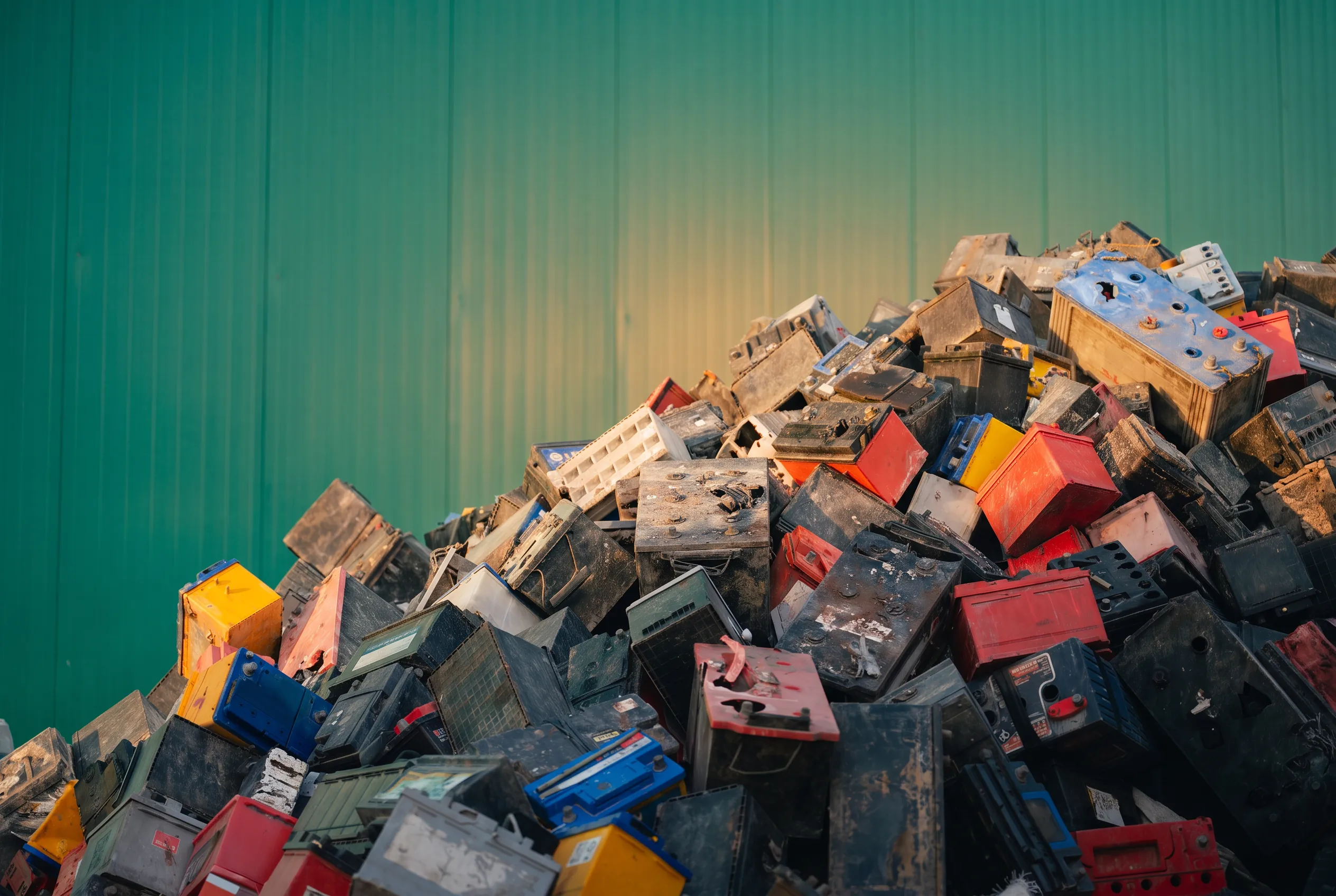
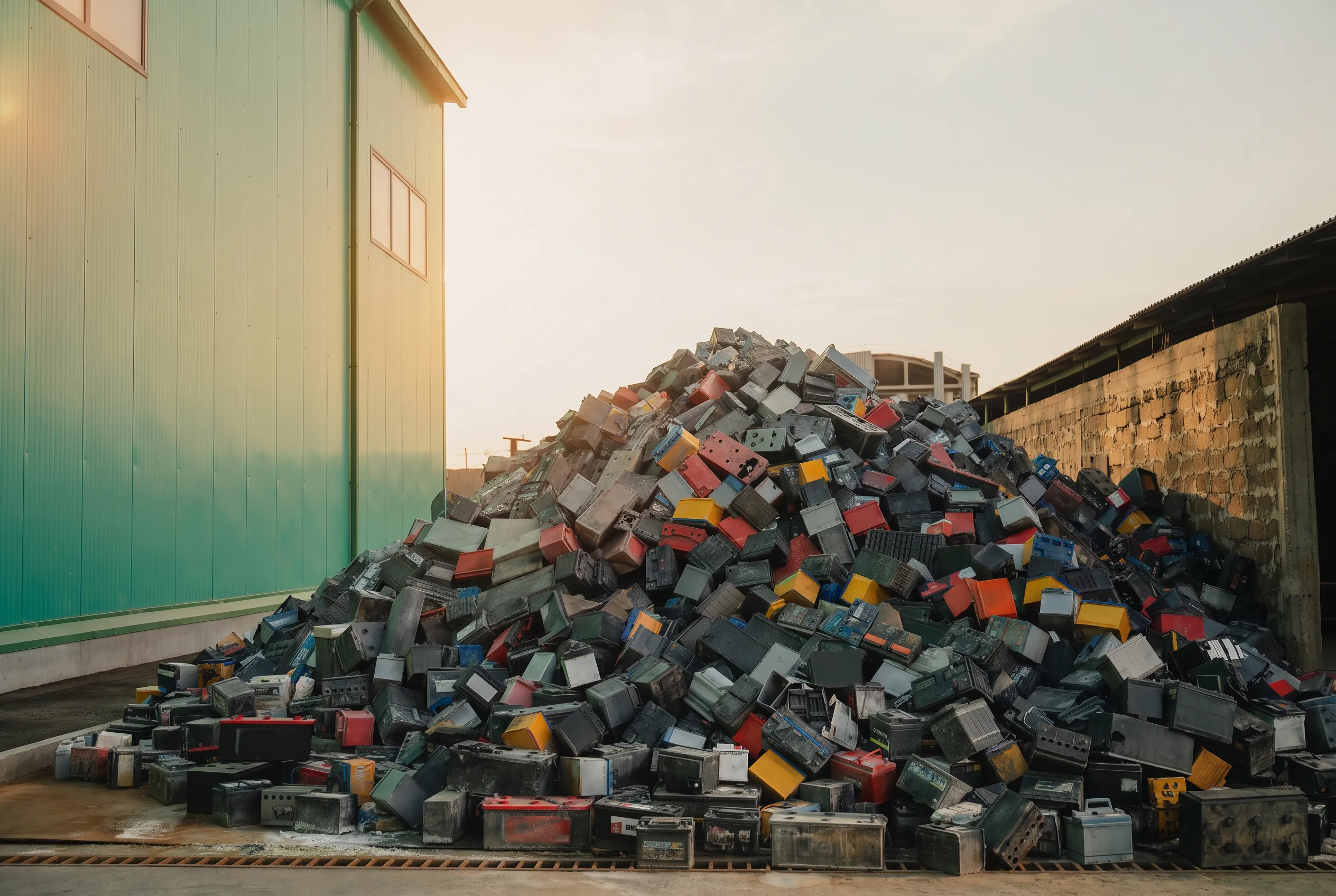
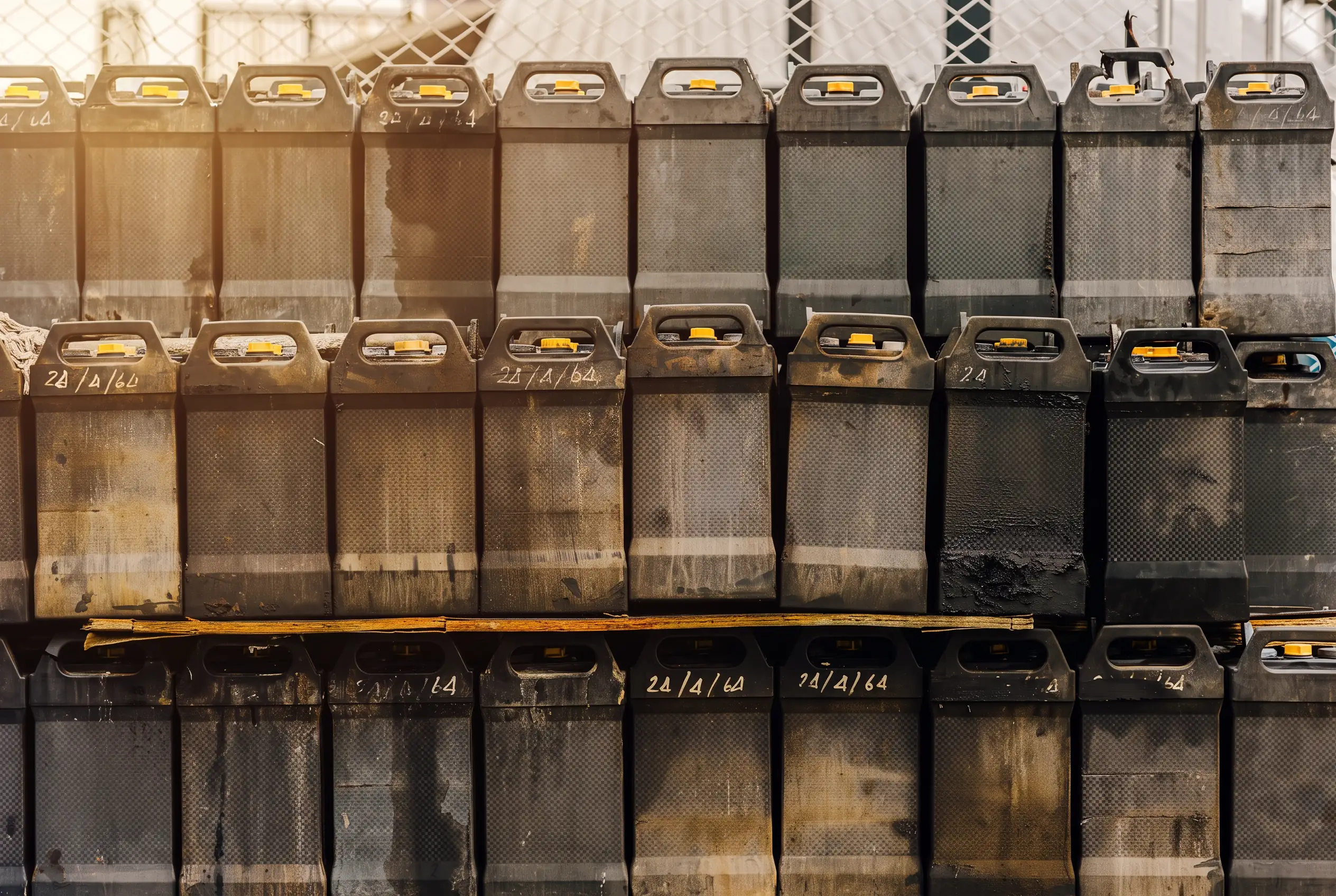
Our lead-acid line is built for spent batteries from motor vehicles and recovers the lead without a smelting furnace. This page is for companies that need to hand over car, van, truck and bus batteries with proper records.
Lead is recovered without a furnace.
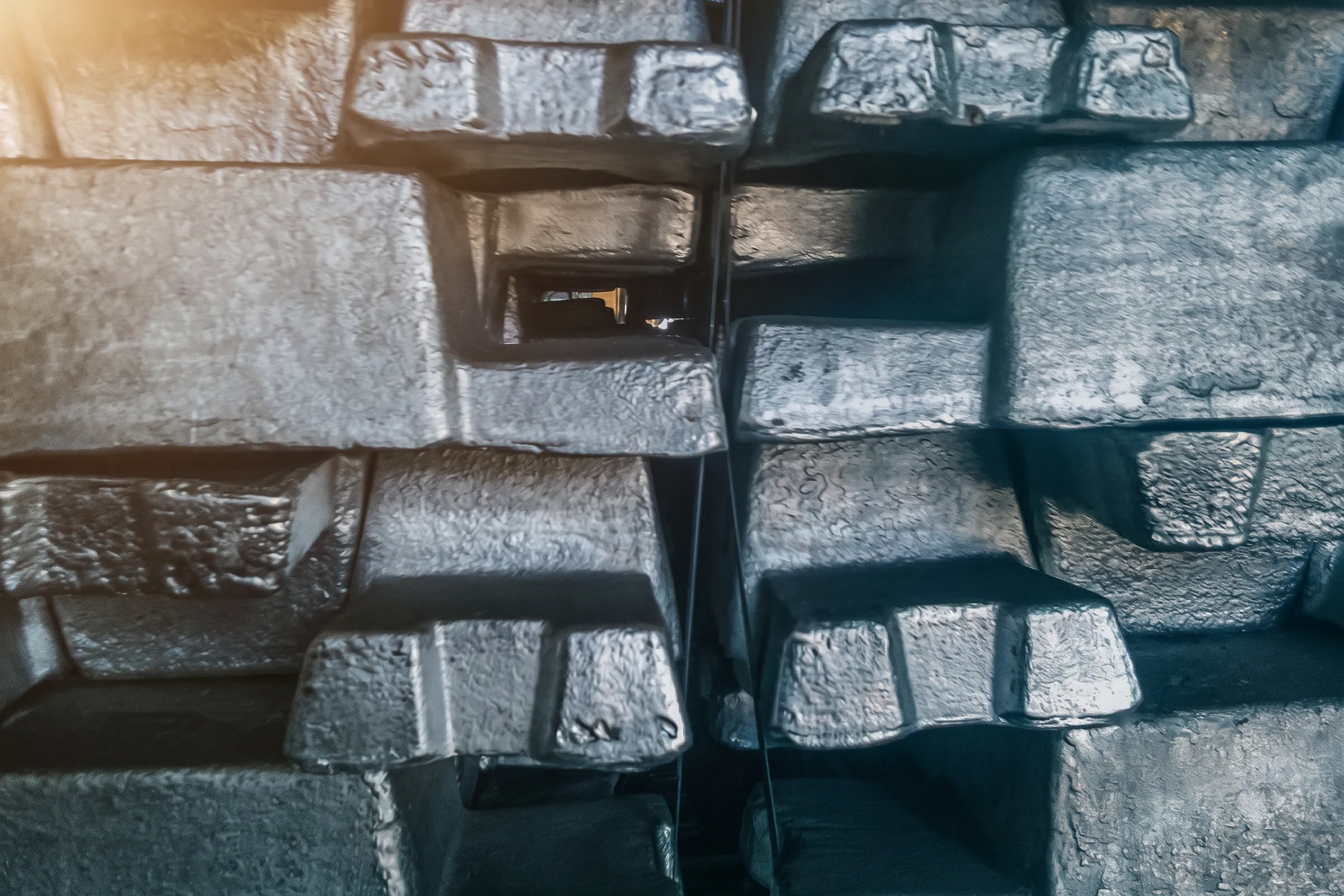
Purity of the lead ingots cast from battery paste.
What we accept
Spent lead-acid batteries from motor vehicles, such as cars, vans, trucks and buses. This is the scope set out in our environmental documents.
What we do not accept
Lead-acid batteries that do not come from vehicles, such as stationary batteries for UPS systems, telecom backup or forklifts, are outside the scope of our current documents.
Lithium-ion batteries go to our lithium-ion line, planned to launch in late 2026. See lithium-ion and EV battery recycling.
If you hold other battery types, contact us before sending anything.
How the line works without smelting
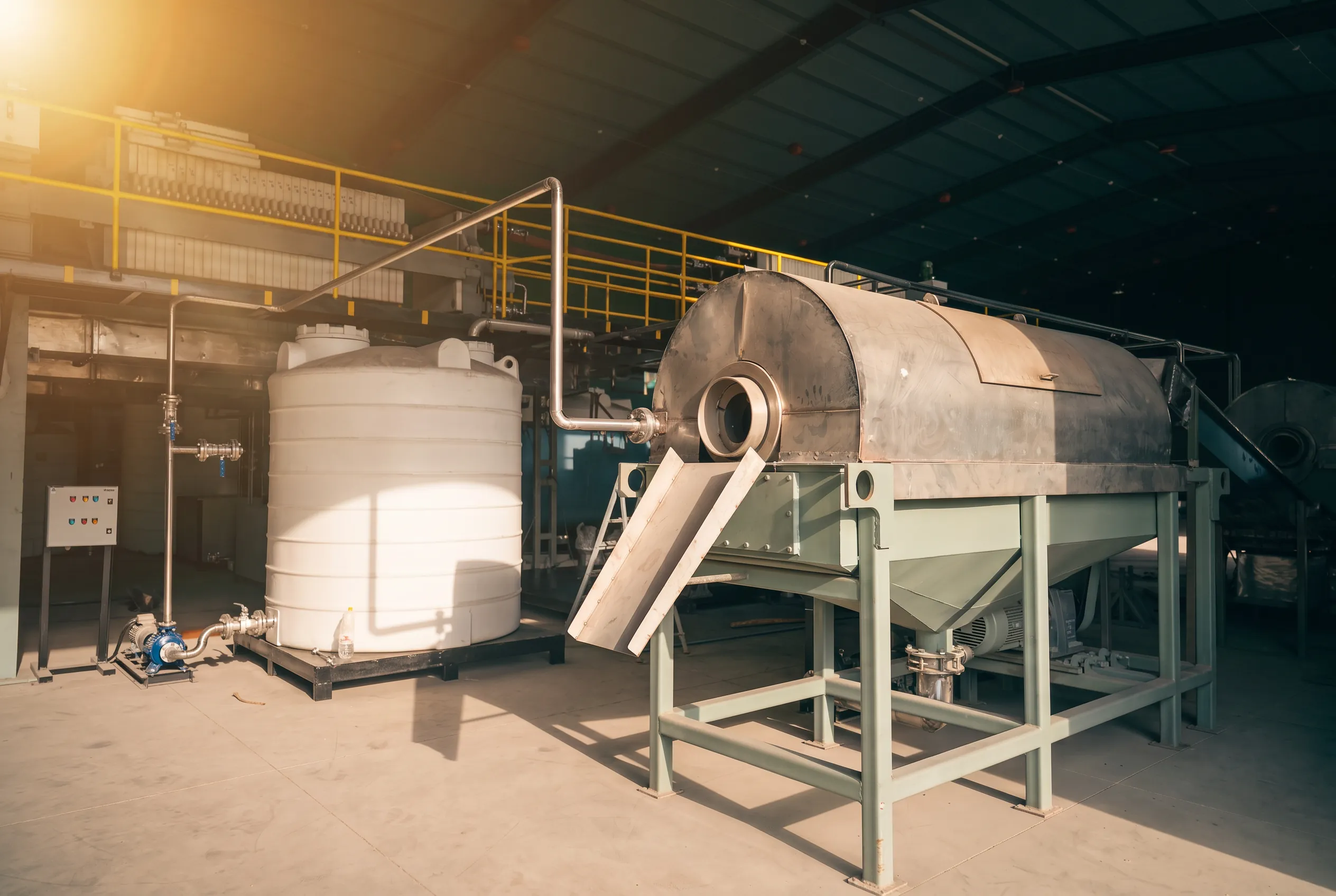
Batteries are broken and separated mechanically. The plates are washed and split into grid metallics, a lead-antimony alloy, and paste, made up of lead oxides and lead sulphate.
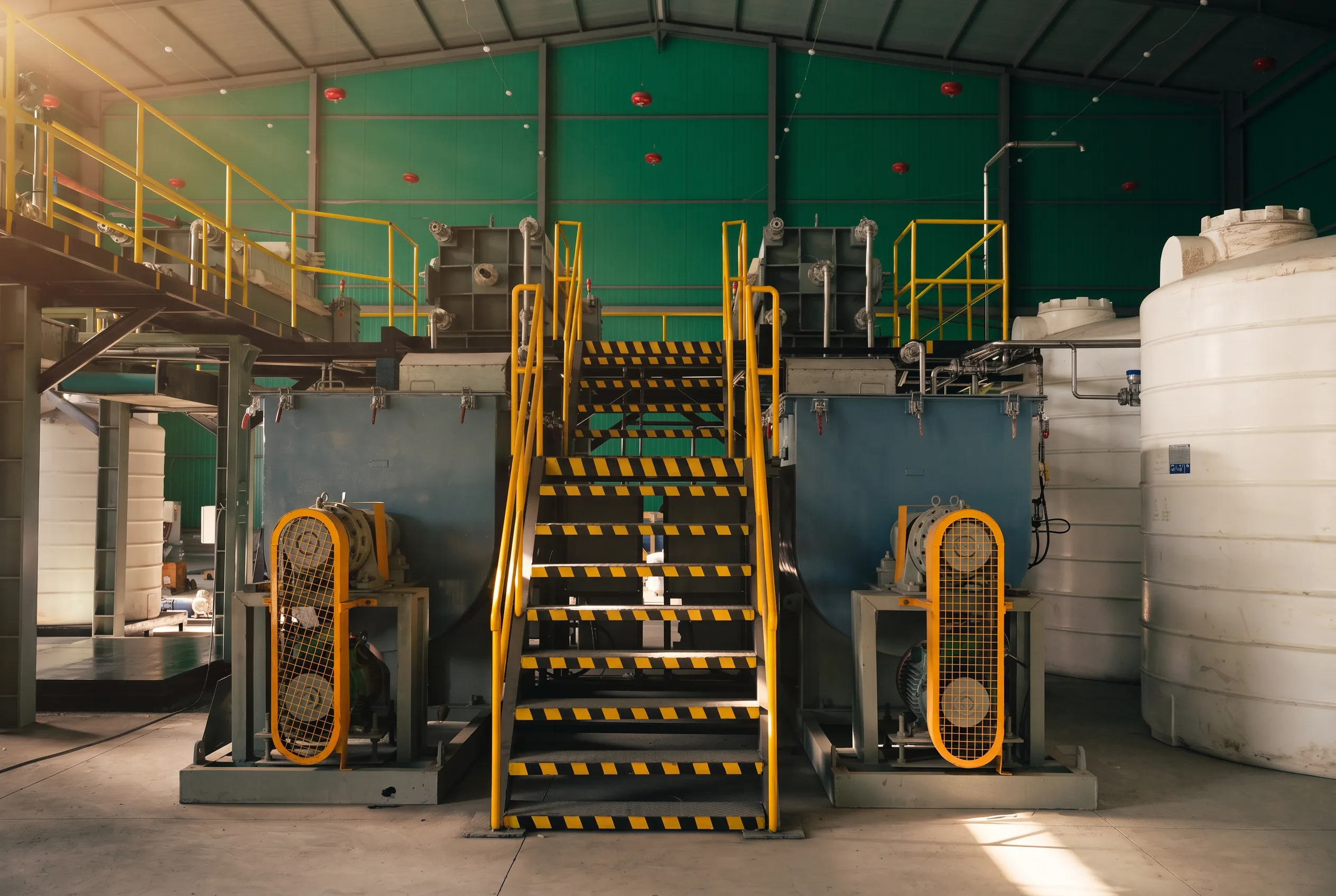
The paste is desulphurised with caustic soda, then washed. The wash water is collected and reused in the process.
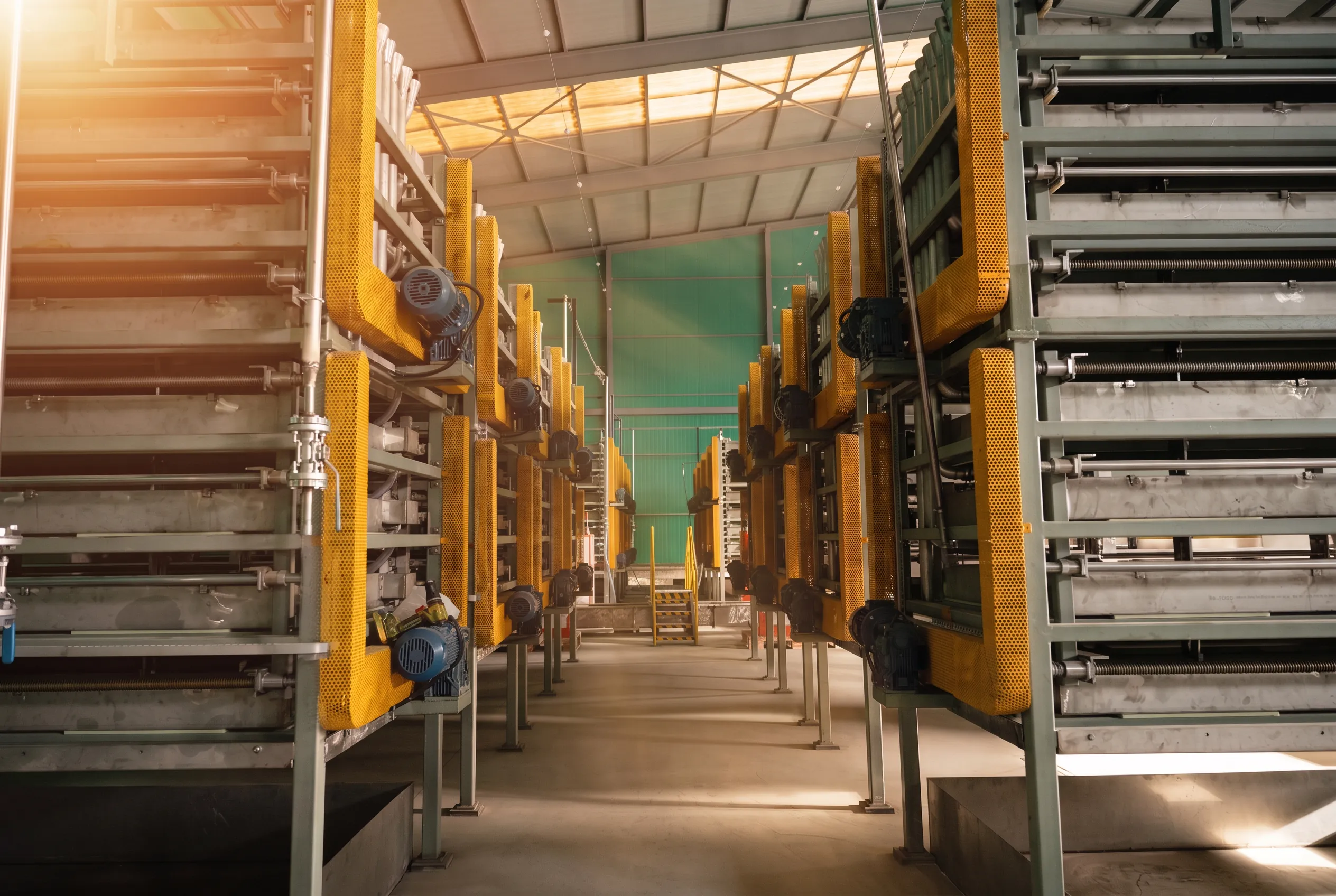
The washed paste is mixed with electrolyte into a slurry and reduced in electrolyser modules at low temperature. The deposited lead is scraped off and pressed into e-lead bricks.
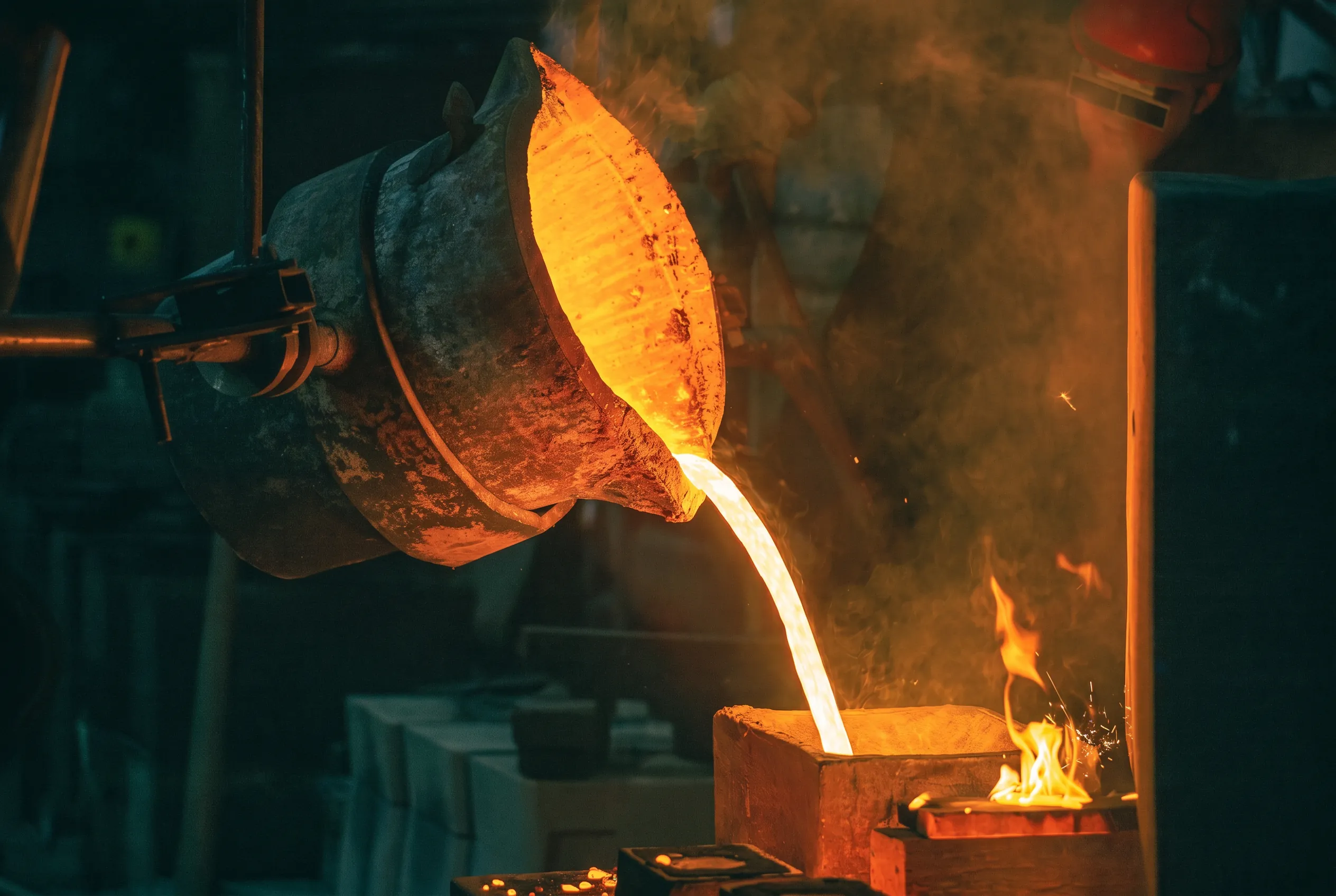
The e-lead bricks are cast into ingots above 99.98% purity. Cleaned grid metallics are pressed into pellets and melted into separate ingots.
What you receive
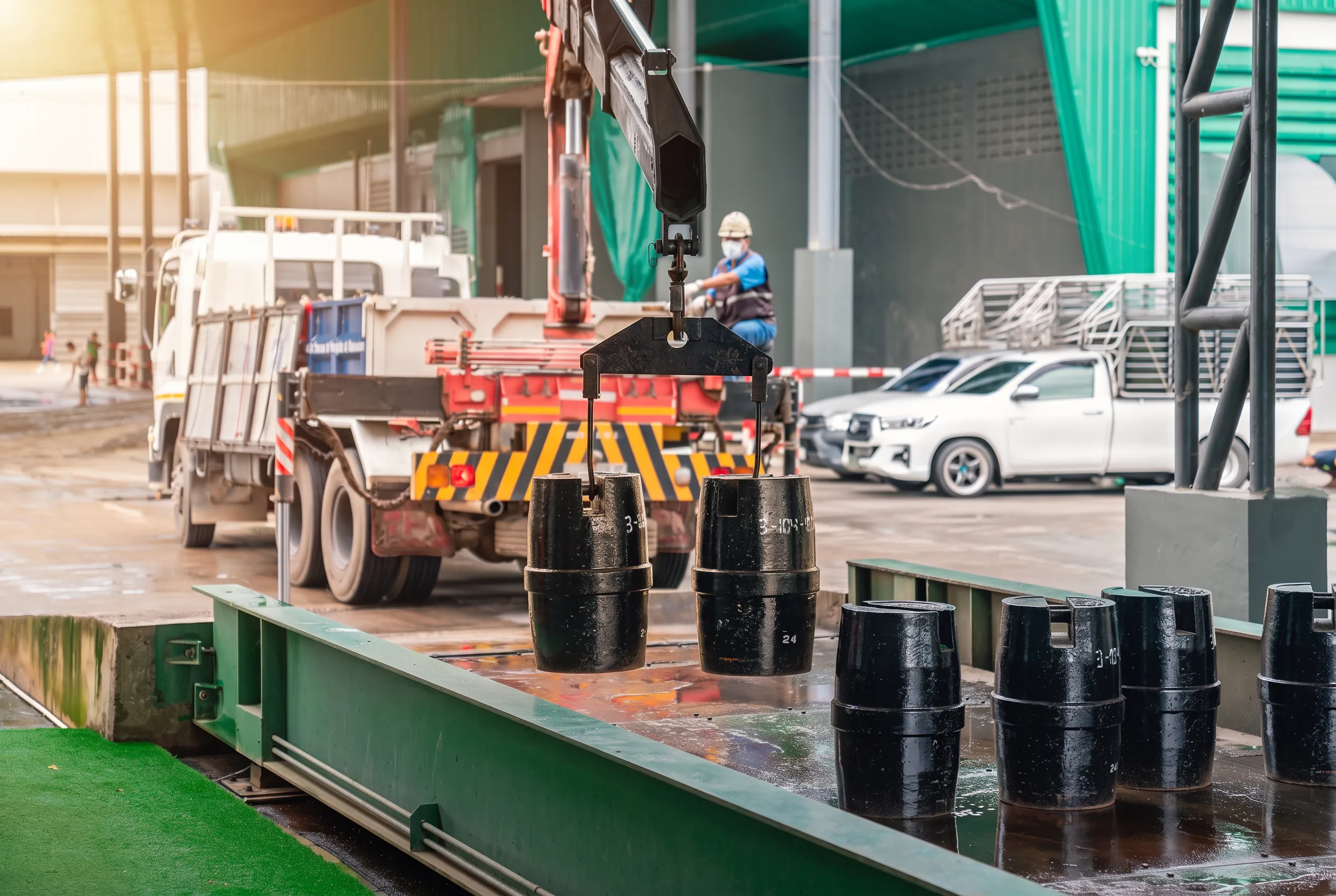
- The weight received for each consignment
- Chain-of-custody records from hand-over to recovery
- Recovery documents for your environmental reporting, provided as the law requires
Packing and pickup
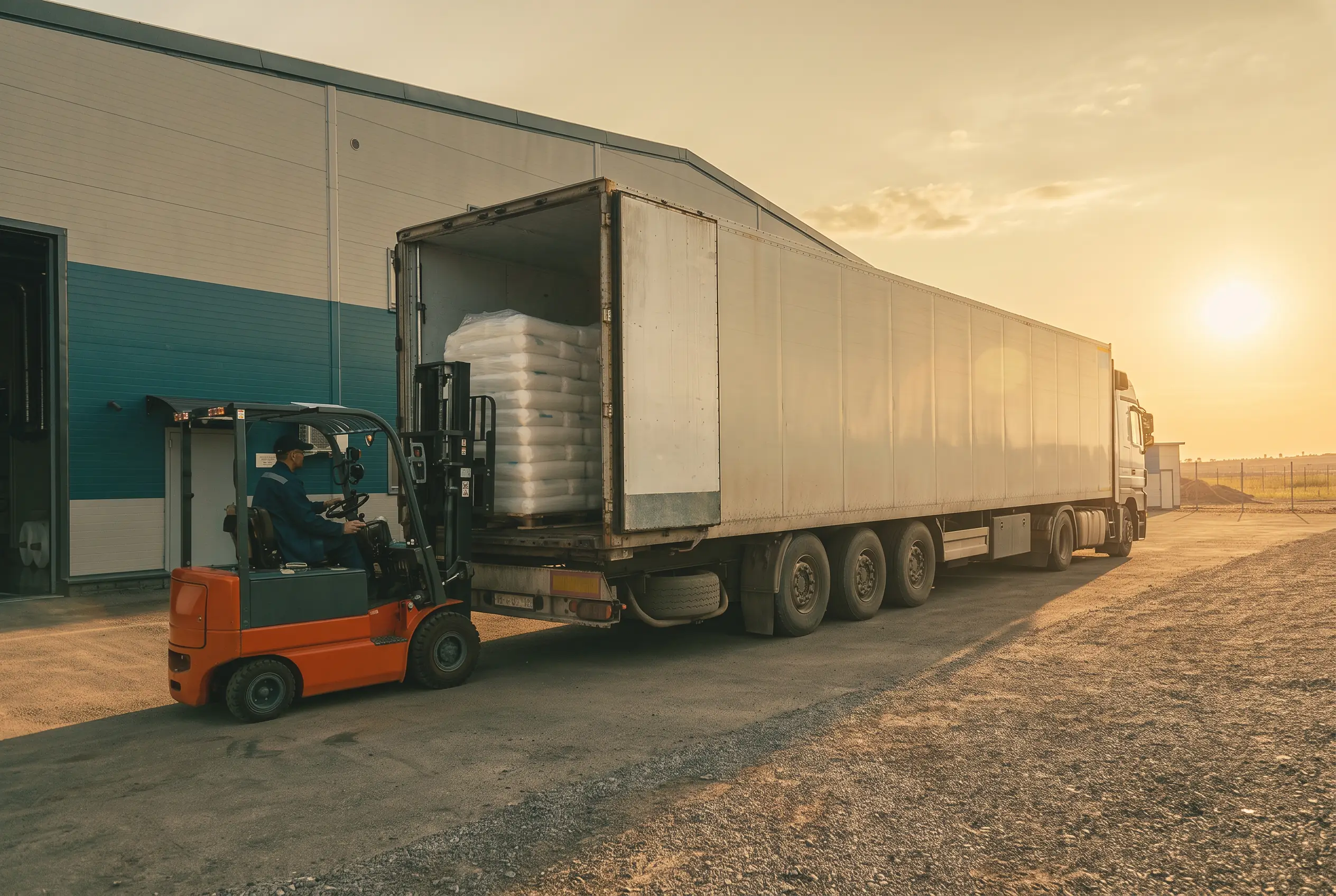
Collections and deliveries are arranged case by case. We agree packaging, timing and transport with you before anything moves. See collection and logistics.
Frequently asked questions
Next step