Our technology
How our battery recycling lines work
Two lines, one principle: recover the materials inside spent batteries without smelting. Here is what goes in, what happens at each step and what comes out.
Lead is recovered without a furnace.
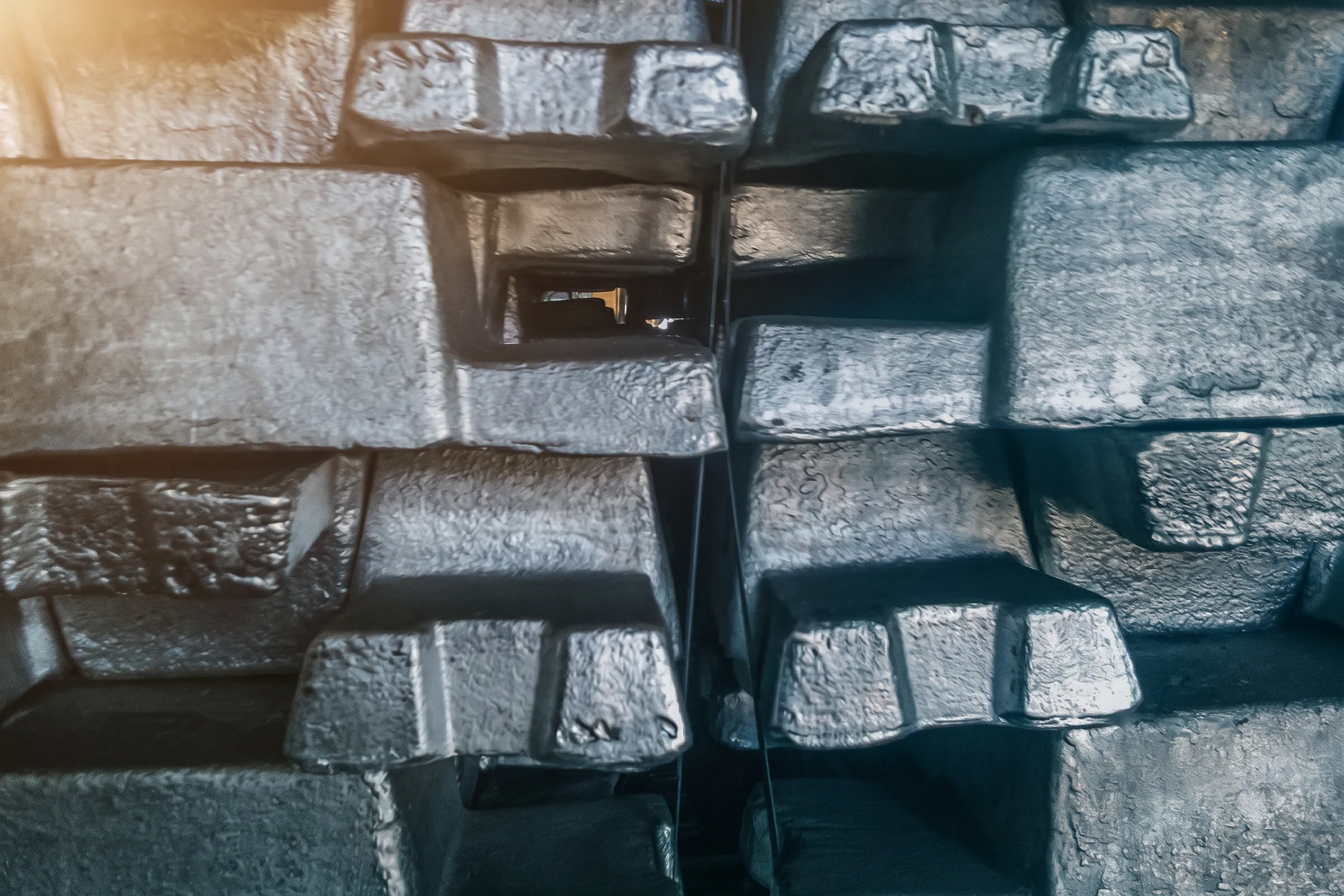
Purity of the lead ingots cast from battery paste.
The lead-acid line, step by step
The lead-acid line takes battery plates from spent vehicle lead-acid batteries, with plastics and separators already removed, and splits them into two streams: grid metallics, a lead-antimony alloy, and paste, made up of lead oxides and lead sulphate.
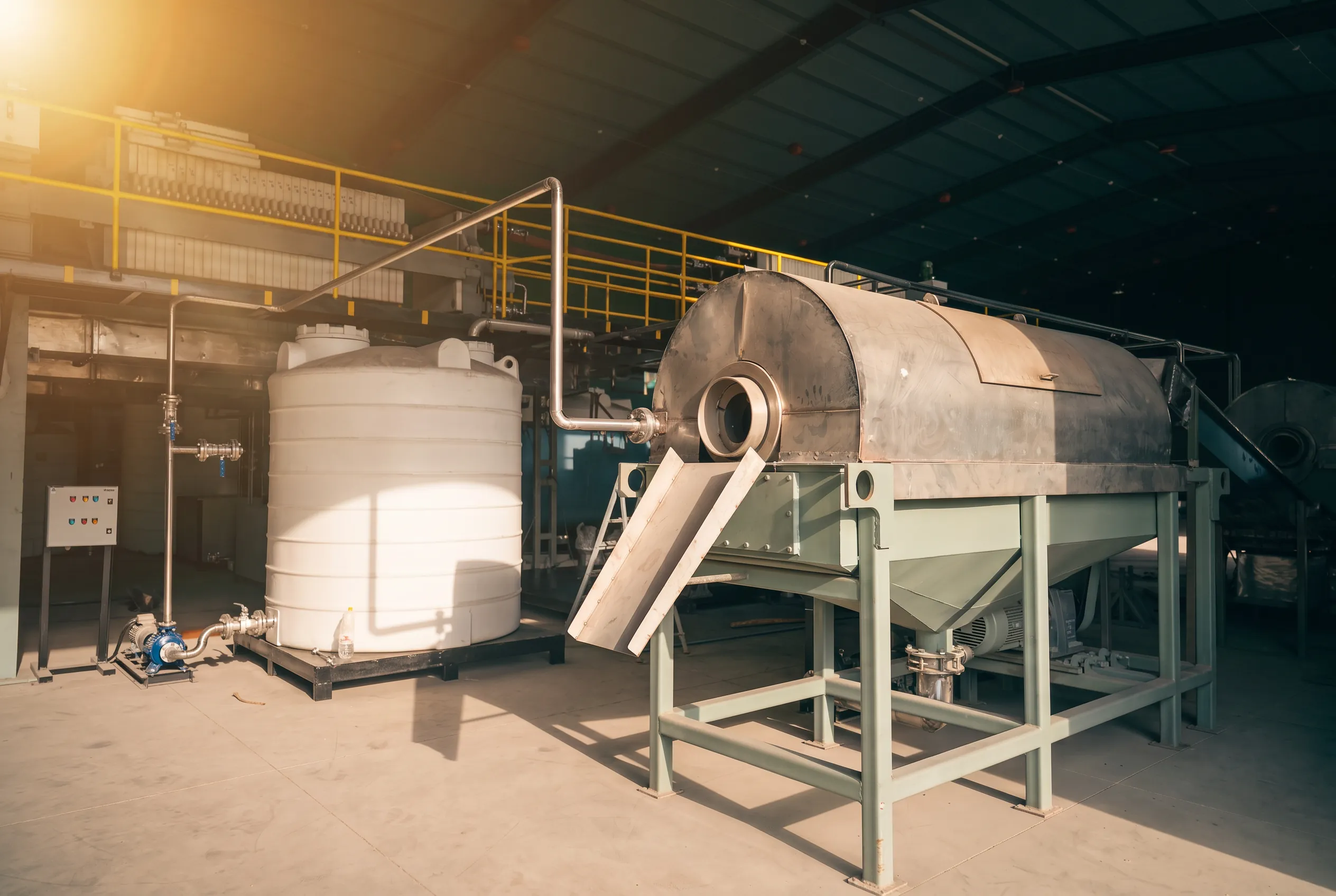
The plates are washed and separated into grid metallics and paste.
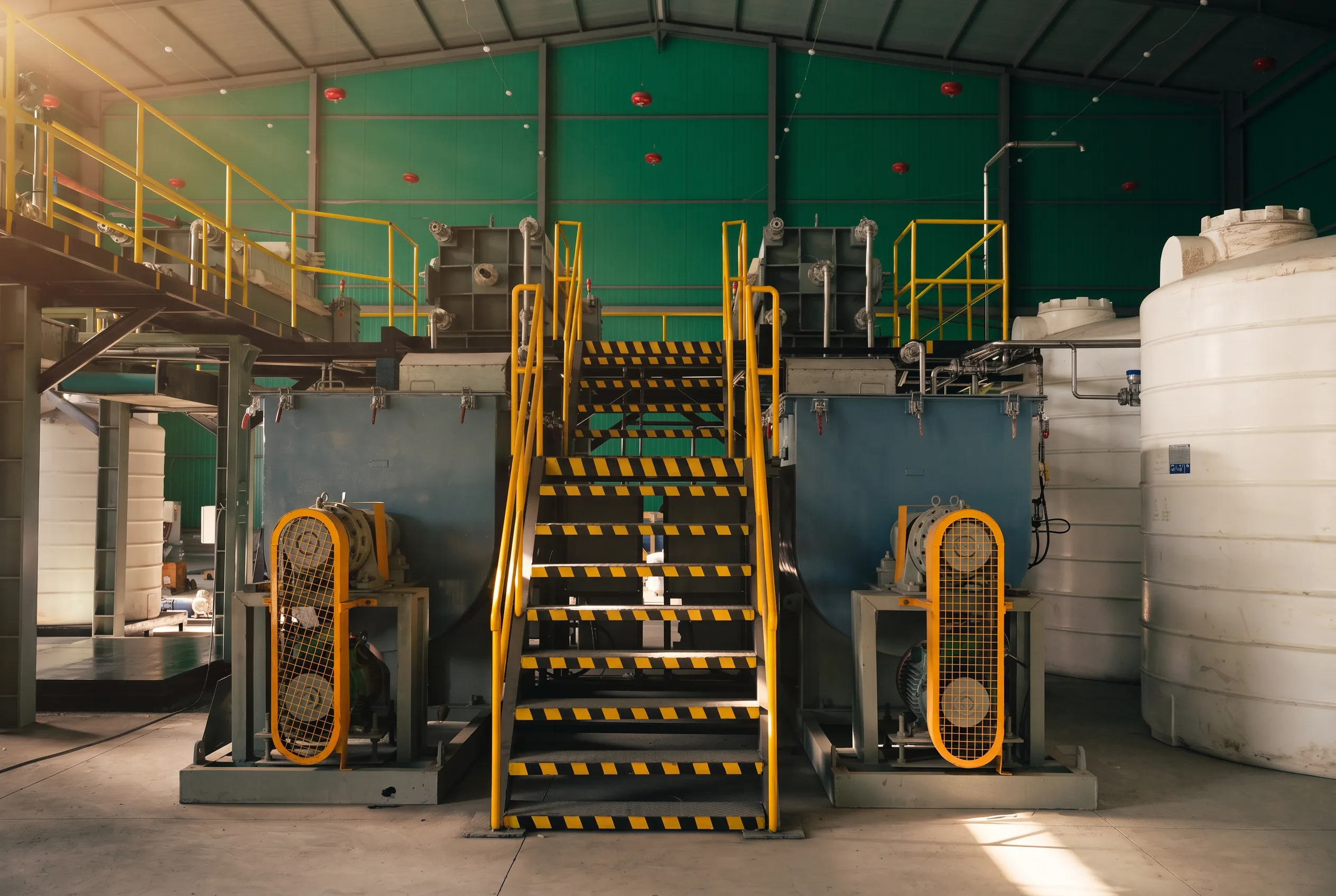
The paste is filtered and desulphurised with caustic soda, which turns the sulphur into a sodium sulphate solution. The paste is then washed, and the wash water is stored and reused in desulphurisation.
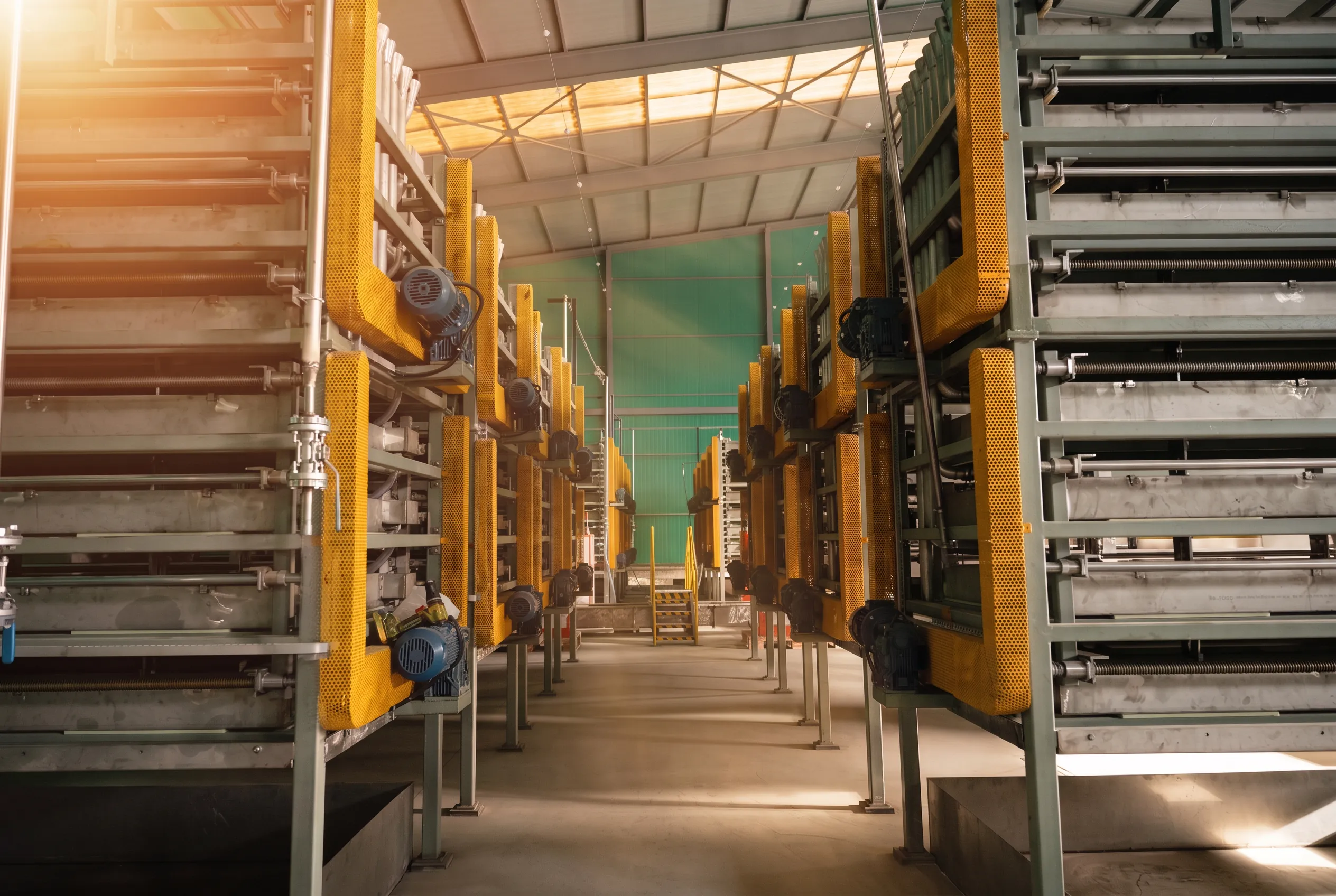
The washed paste is mixed with electrolyte into a slurry and fed into electrolyser modules. Direct current reduces the lead compounds back to metallic lead at low temperature. The electrolyte is collected and reused.
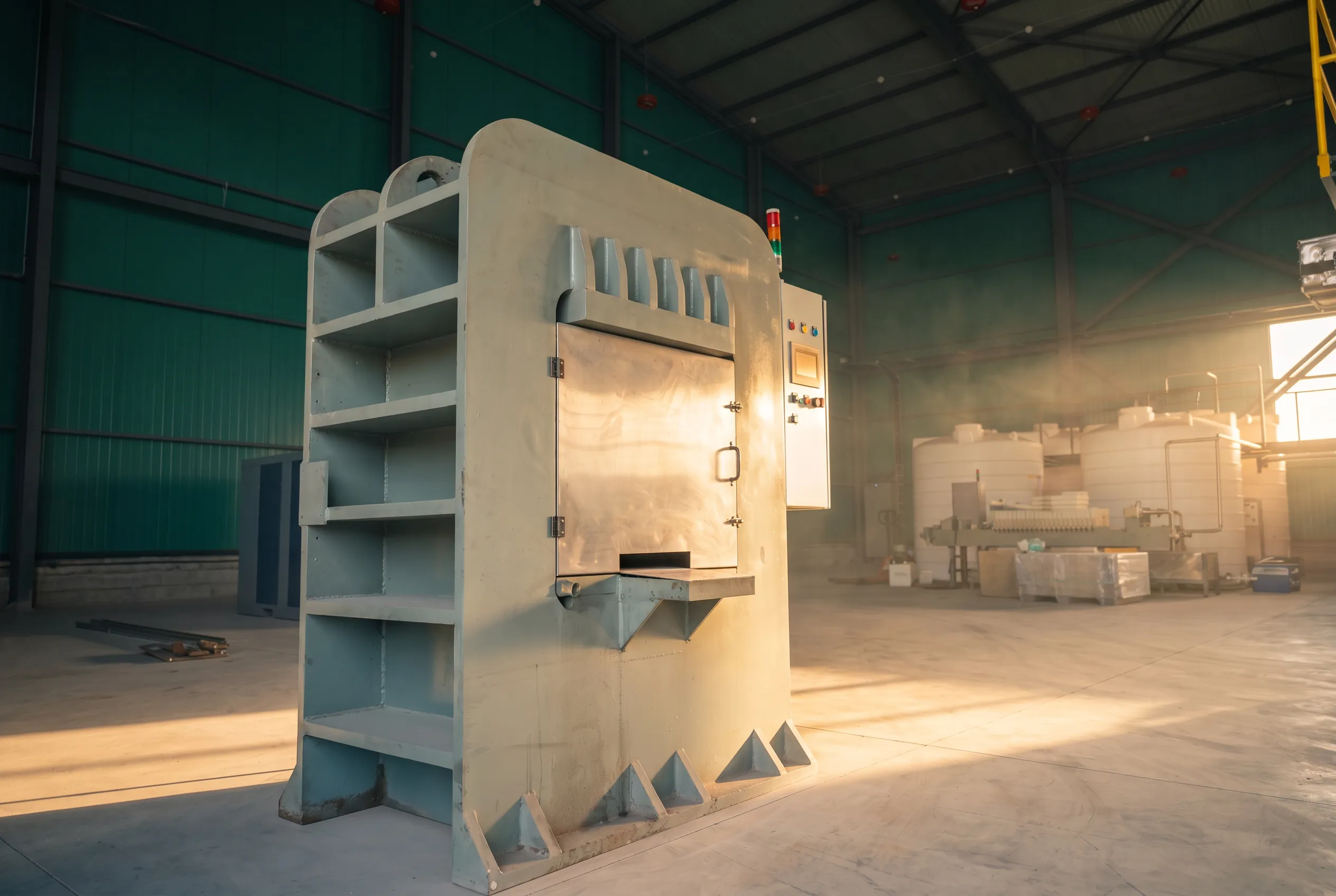
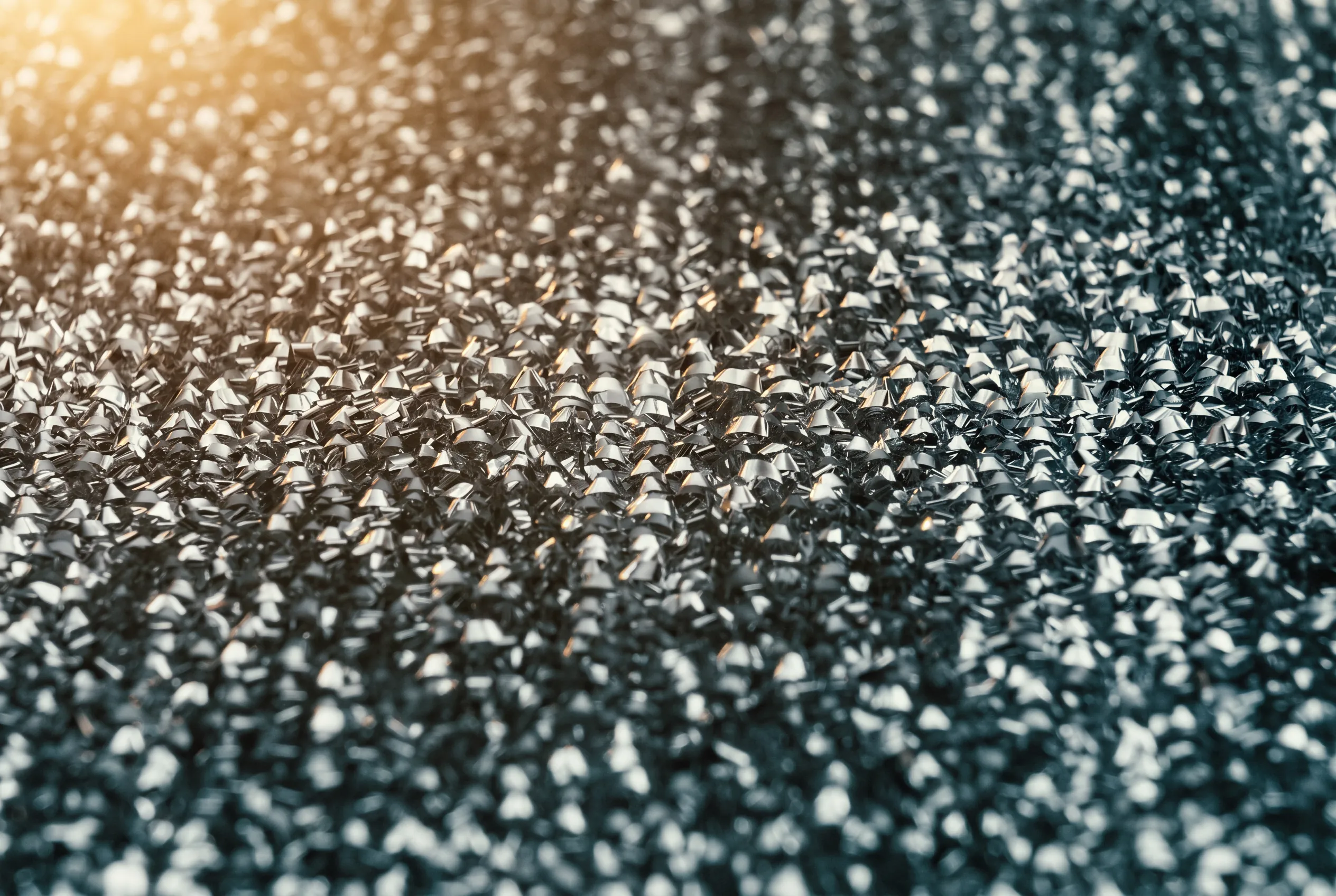
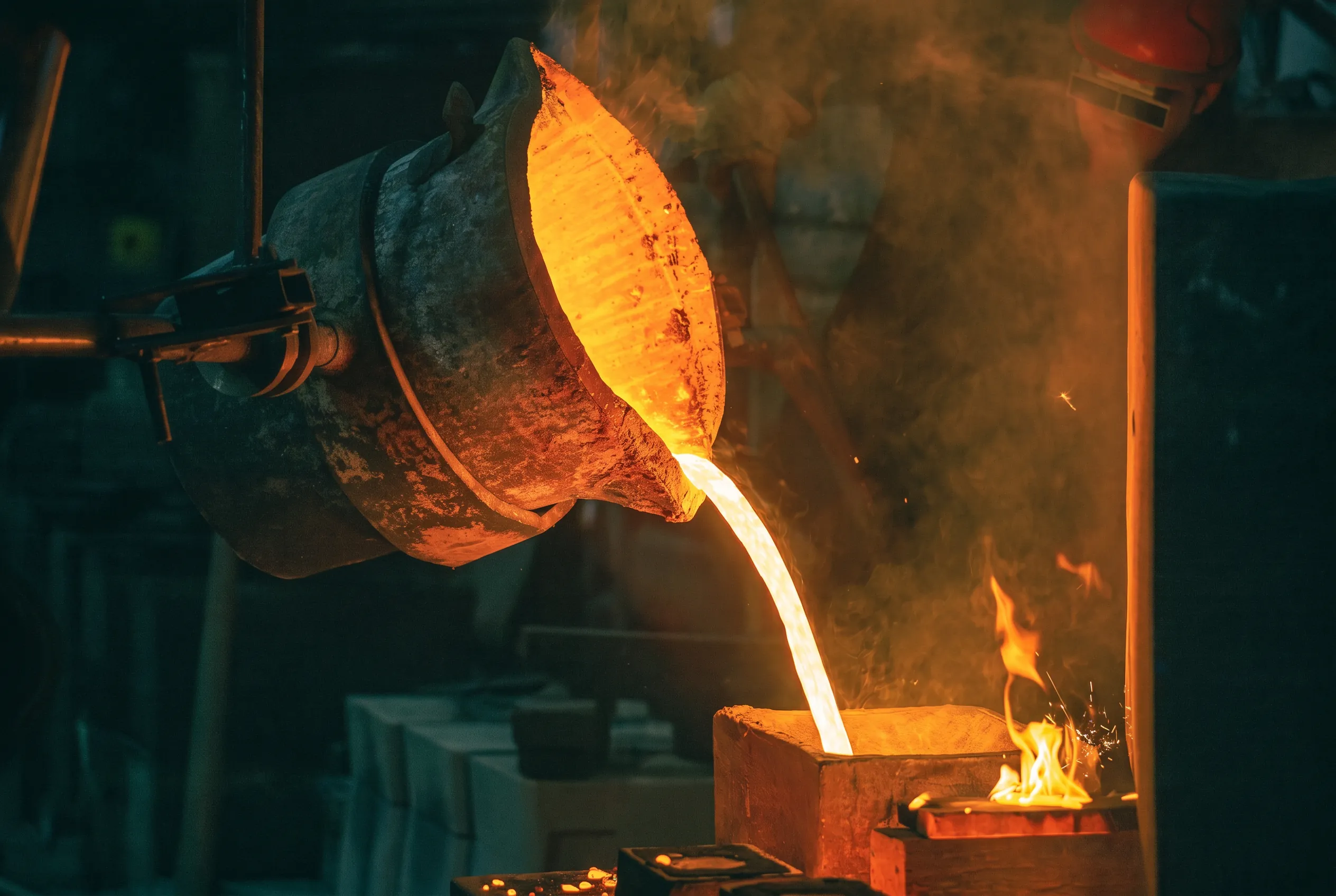
The deposited lead is scraped off and pressed into e-lead bricks, which are melted in a kettle at a temperature close to the melting point of lead and cast into ingots above 99.98% purity.
In a parallel stream, the grid metallics are cleaned, pressed into pellets and melted into ingots. Paste recovered during cleaning rejoins the desulphurisation step.
The lithium-ion line, planned for late 2026
Our lithium-ion line is planned to launch in late 2026. It is designed for EV battery packs, batteries from solar plants and other energy storage systems, appliance batteries and production scrap. See lithium-ion and EV battery recycling.
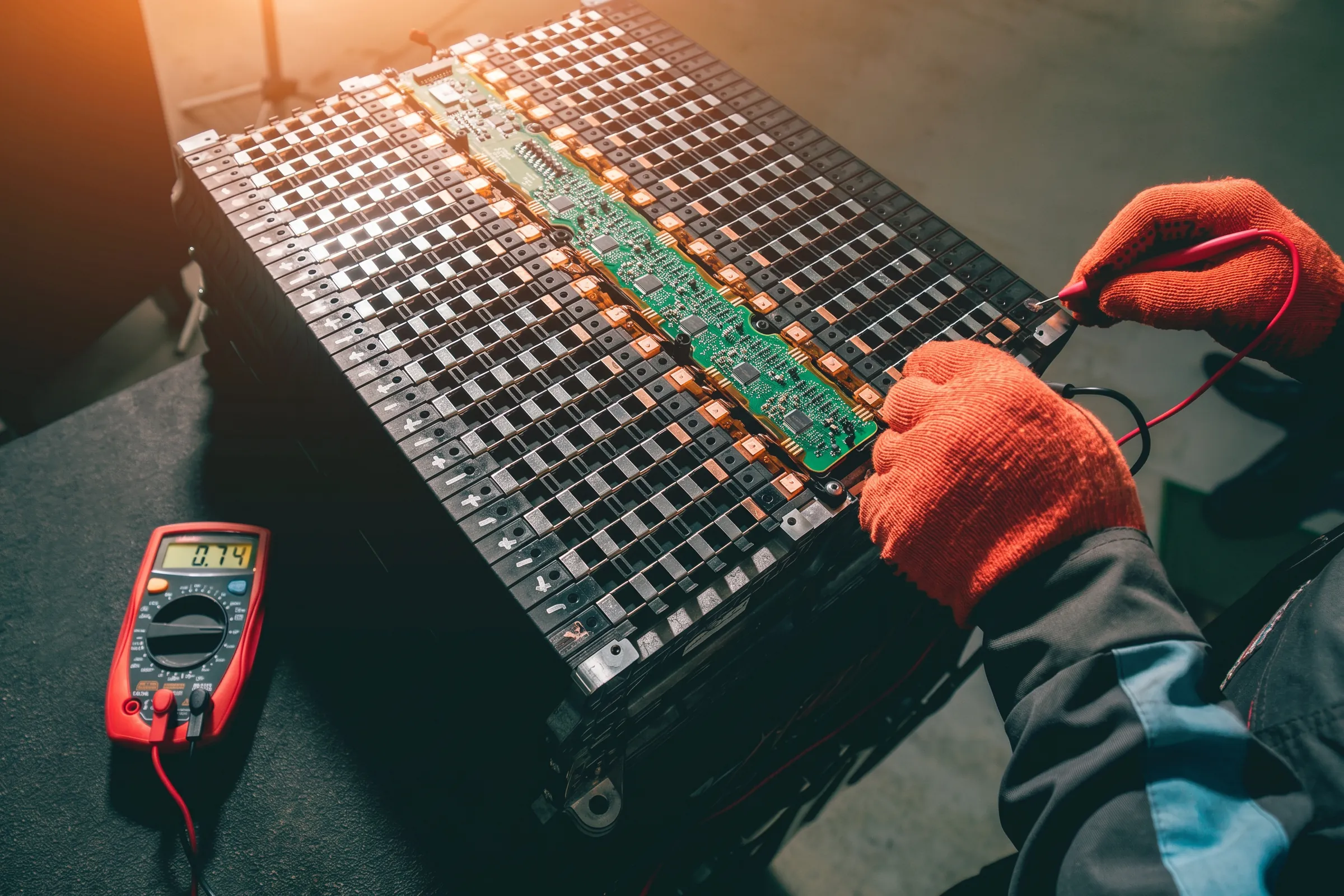
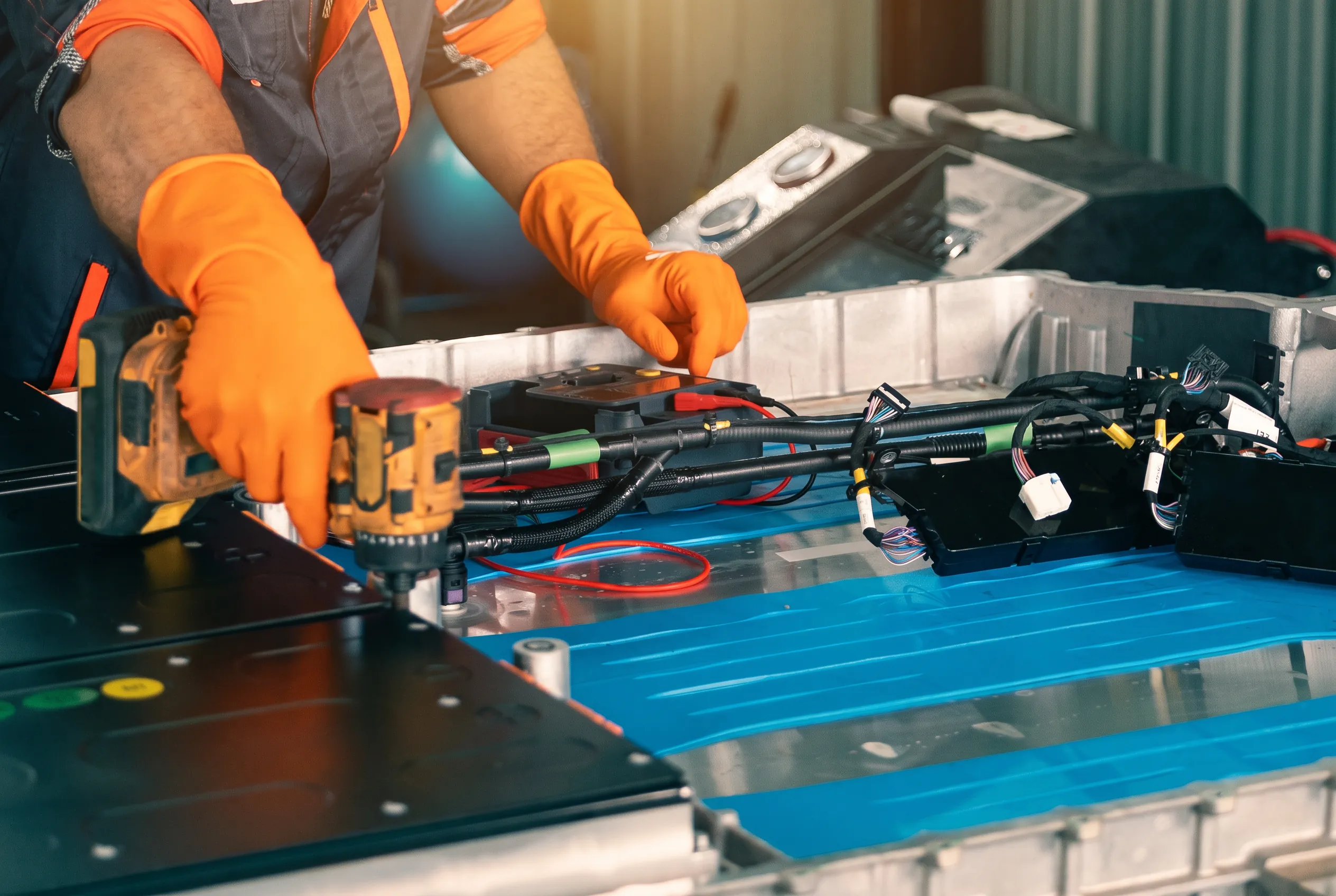
EV packs are discharged while still assembled. Smaller cylindrical, prismatic and pouch cells are discharged in a chemical bath.
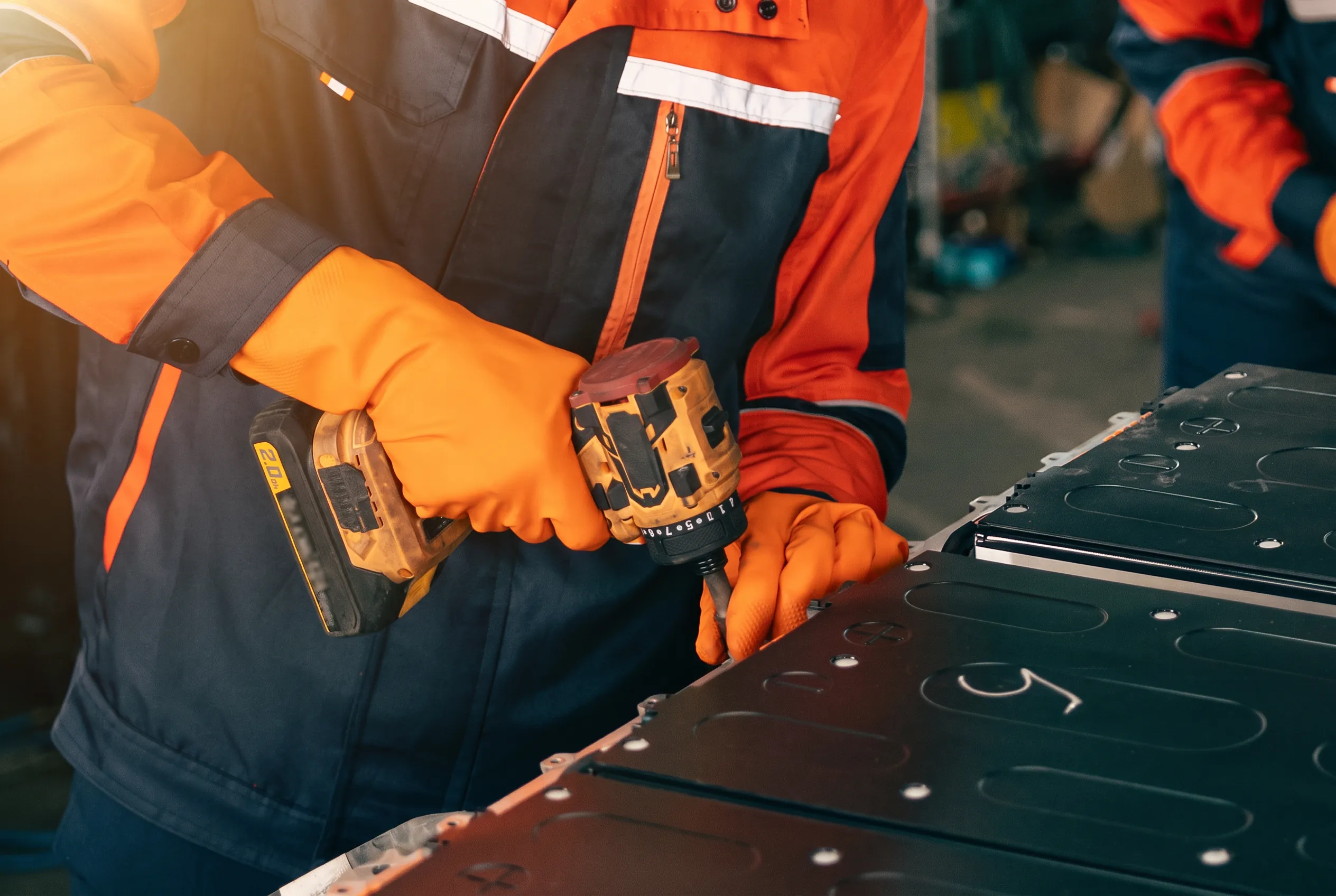
Packs are dismantled to free the cells. Cells discharged in the bath are air-dried and held in safe storage.
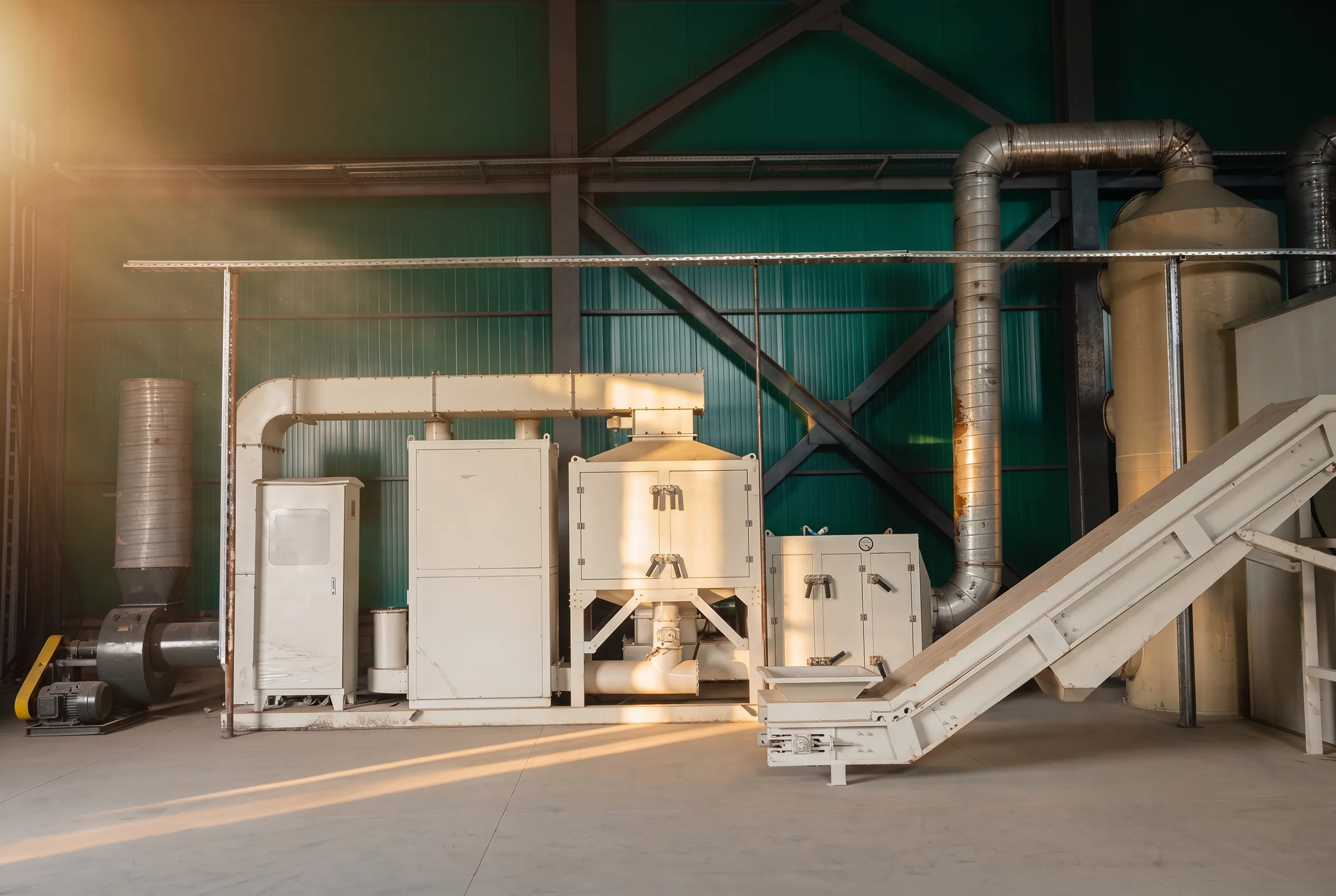
Discharged, dry cells are shredded, which frees the electrode materials from the casings, foils and separator film.
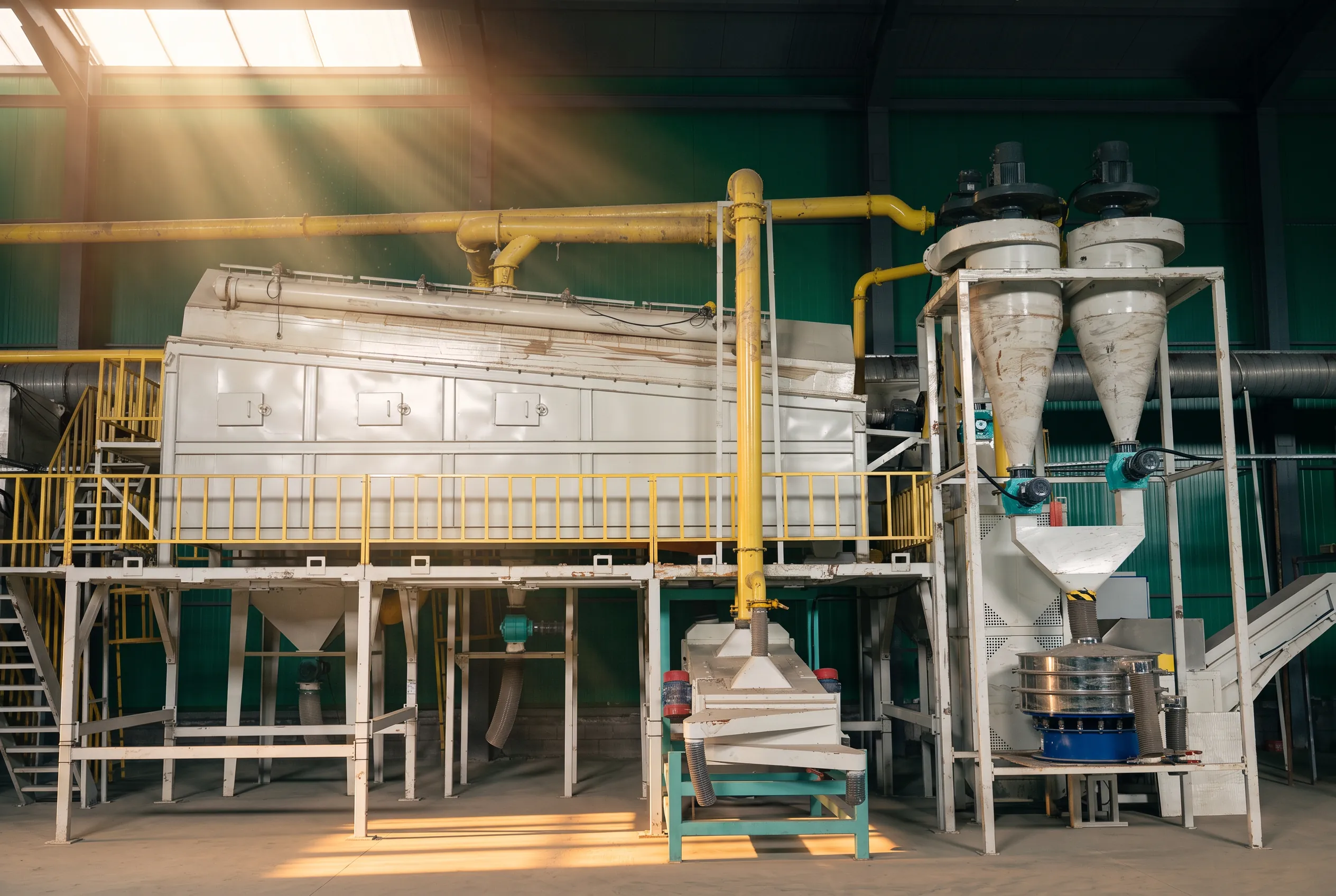
Air classification, magnetic separation, screening, crushing and gravity separation split the shredded material into separate fractions.
What comes out
How it differs from smelting
Conventional secondary lead recovery melts battery material in furnaces at high temperature. Our lead line replaces the furnace with desulphurisation and electrolytic reduction at low temperature, powered by electricity.
The only melting step is casting: lead that has already been recovered is melted in a kettle at a temperature close to its melting point and poured into ingots.
Water and electrolyte
Wash water and electrolyte are collected and reused in the process rather than discharged after a single use.
Planned next phase
Refining black mass into battery-grade products, such as lithium carbonate, nickel and cobalt salts and graphite, is planned as a later phase. It is not part of the lines described above.
Next step
See the plant for yourself
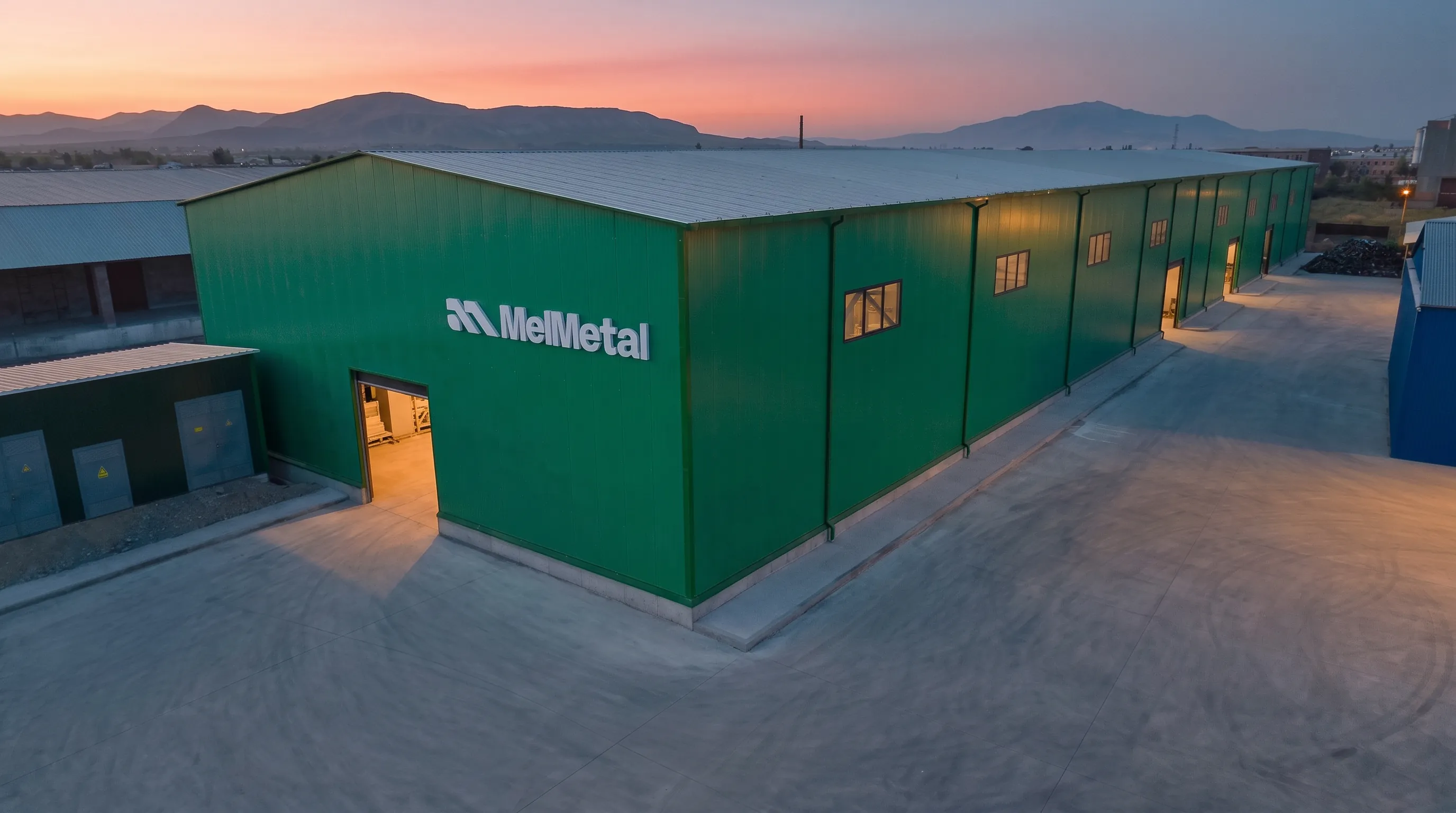
Customers, partners and buyers of recovered materials can visit by appointment.