Inside a battery recycling line: from intake to finished material
A step-by-step look at how retired lithium and lead-acid batteries move through an electrified recycling line, and what comes back out as usable material.
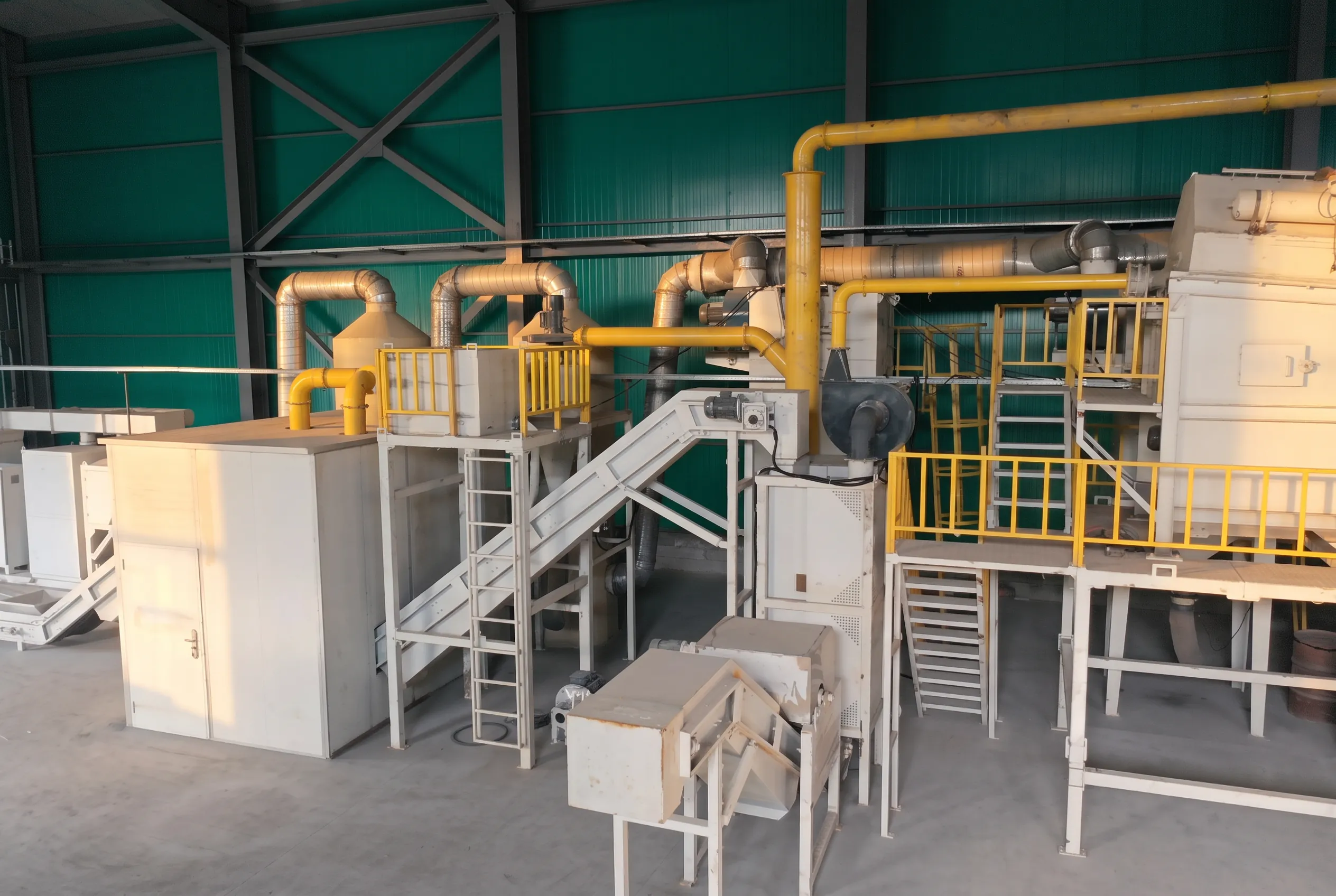
Most companies know roughly what happens to a retired battery. It leaves site, paperwork follows, and a certificate arrives a few weeks later. What happens in between decides how much of the lithium, nickel, cobalt and copper inside it actually returns to industry, and how much emissions the whole exercise carries.
Here is the route a pack takes through our plant, stage by stage, and what each stage is responsible for.
1. Intake, triage and chain of custody
Every consignment is weighed, photographed and logged against your site and asset IDs before it moves anywhere. That record is what later backs up your recovery certificate, so the audit trail starts at the gate instead of being reconstructed afterwards.
Triage then sorts material by chemistry and condition before anything is processed. Lead-acid and lithium follow separate routes, and damaged or swollen cells are set aside in secondary containment.
2. Discharging and dismantling
EV packs are discharged while still assembled, under monitored current limits, then opened up so housings, cooling circuits, wiring and battery management hardware can come out and the cells can be freed.
Small cylindrical, prismatic and pouch cells take a different route. They sit in a non-corrosive discharge solution of our own for around eight hours, get a short water rinse, then air-dry. Compared with the traditional 48-hour saline bath, no chlorine gas is given off, the cell casings are not attacked, and the solution is revitalised and reused rather than dumped.
3. Mechanical breaking and separation
Discharged, dried cells are shredded, then passed through air classification, magnetic separation, drum and vibratory screening, crushing and finally gravity separation. Each stage targets a specific fraction, and a second recovery pass picks up active material still stuck to composite fragments.
Five streams come off the line: black mass, copper, aluminium, steel, and polypropylene plastics with separator film. The economics are largely set here, because clean black mass with a known assay makes every chemical step downstream cheaper and higher-yielding.
4. Electrified lead recovery, without a furnace
Lead-acid batteries take a separate route. Shredded plates are washed and split into grid metallics and paste. The paste is desulphurised with caustic soda, washed with recirculated water, mixed with our electrolyte and reduced in electrolyser modules at low temperature.
The deposited lead is scraped off, pressed into e-lead bricks and cast into ingots above 99.98% purity. Because nothing is smelted, there are no CO₂ or heavy-metal stack emissions, and no slag mountain to dispose of.
5. Documented outputs and reporting
Outputs are weighed and documented batch by batch, covering lead ingots, black mass, copper, aluminium, steel and plastics, and released against specification rather than against an average. Refining black mass into finished lithium, nickel and cobalt products is the next phase of our plant. Today that material goes to refiners.
You receive tonnage in, tonnage recovered per material, and the destination of each fraction. That is the dataset EU Battery Regulation reporting expects, and the same dataset that makes internal circularity targets defensible.
What this means for your programme
Recovery rate is a function of feedstock quality and process route, not of good intentions. Cleaner sorting at your sites, honest labelling of chemistry, and consolidated shipments all raise the number on the certificate.
If you are scoping a take-back programme, start by mapping where retired assets currently pile up. Everything else in the chain gets easier once that is visible.
Scoping a take-back programme for retired batteries or solar panels? Our team can map volumes, chemistry and compliance requirements with you.
Partner with MelMetal →