Compliance guide
Armenia's EPR law and batteries: what importers need to know
Armenia is preparing an Extended Producer Responsibility (EPR) law that makes producers and importers responsible for the waste from products they sell, and batteries are on the list. Here is what the draft says, where it stands and how to prepare.
Status as of October 2026.
Last reviewed: 19 October 2026
What the draft law covers
In June 2026 the Ministry of Environment published a revised draft EPR law for public discussion on the e-draft platform for legal acts. The draft sets out the responsibility of producers and importers for the waste from products they place on the market, including separate collection, recycling and recovery.
The product groups named in the published draft include batteries, alongside household electrical and electronic equipment, tyres, motor oils and several groups of beverages. At a stakeholder discussion later in June 2026, the battery group was described as household batteries. The final lists will be set when the law and its implementing acts are approved.
Who is obligated
Under the EPR approach being introduced, the producer is whoever first places a covered product on the Armenian market, whether it is made in Armenia or imported.
According to the Ministry's presentation in June 2026, only the 300 largest producers and importers, out of about 2,000 market participants in the covered categories, would take on EPR obligations in the initial phase.
Producer Responsibility Organisations
The draft gives the waste management function to a specialised licensed organisation established and financed by the private sector. In EPR systems, such Producer Responsibility Organisations (PROs) are set up by producers to organise the collection and treatment of one or more waste streams on their behalf.
Status and timeline
As of October 2026 the law is still a draft. Its authors say that recovery targets will start at modest levels for the first three years and rise gradually after that. We have not seen an adoption date announced.
We review this page as the law moves forward. For the current text, check the e-draft platform.
What importers should do now
Data
Know how many batteries you place on the market each year, by type and weight.
Contracts
Check who in your supply chain counts as the importer, and what your contracts say about end-of-life batteries.
Collection
Map where spent batteries come back to you today: shops, service points or your own sites.
Reporting
Keep records of what you collect and where it goes. Records from a documented recycler support this.
Where a recycler fits
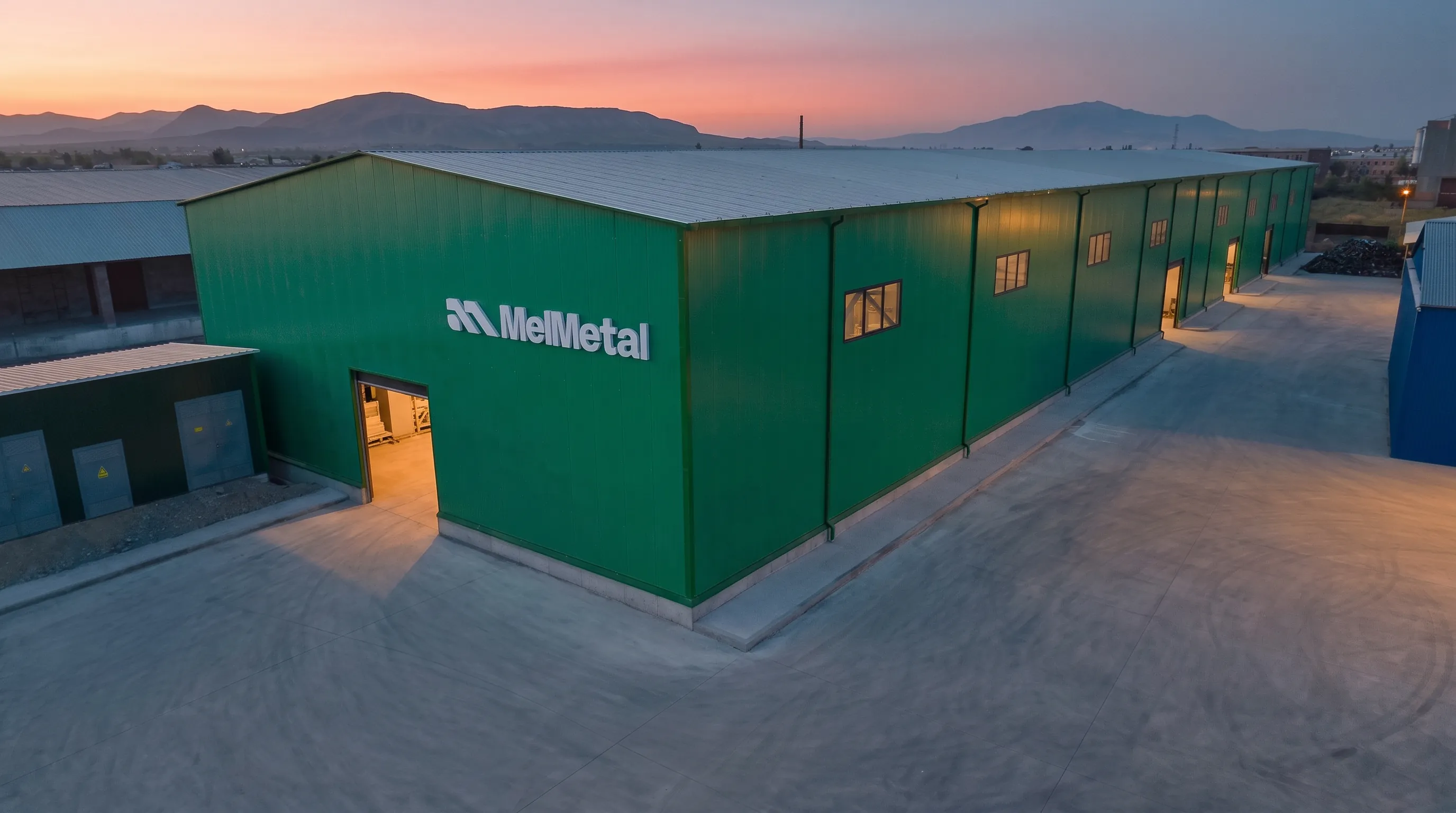
Whatever form the final system takes, collected batteries have to be recycled. MelMetal's plant in Artashat is built for vehicle lead-acid batteries, and our lithium-ion line is planned for late 2026. We provide weight records, chain-of-custody records and recovery documents as the law requires, and we can help you design a take-back programme.
Frequently asked questions
Next step
Prepare for EPR
Talk to us about take-back and recycling records for the batteries you place on the market.